


If you’ve noticed an increase in chargebacks, unusual order patterns, or unauthorized sellers listing your products, your business may be dealing with triangulation fraud.
Difficult to detect and even harder to resolve, triangulation fraud involves fake listings for real products, using legitimate brands to unwittingly complete fraudulent transactions. If targeted, your business can be at risk for large-scale disputes, lost revenue, and a tarnished reputation.
With global e-commerce fraud losses projected to hit $109 billion annually by 2029, staying ahead of fraudsters is more critical than ever. Identifying fraud early and having the right enforcement tools in place can make all the difference.
In this guide, we’ll show you how to:
- Understand how triangulation fraud works
- Spot the red flags of triangulation fraud before it impacts your business
- Implement proactive fraud prevention strategies
- Leverage Red Points’ AI-powered solutions to stop scammers in their tracks
How does triangulation fraud work?
Triangulation fraud is so tricky to spot because it appears legitimate to everyone involved, from the buyer of the fake listing to the business processing the fraudulent purchase.
The scammer creates a fake website or listing on an existing third-party marketplace such as eBay, Amazon, Shopify, or Etsy, selling a product they don’t actually have.
Once a consumer purchases the fraudulent listing, the scammer then buys the product from an actual brand using a stolen credit card. The purchase appears completely legitimate to the brand fulfilling the order, and the product is shipped to the original buyer.
By the time the owner of the credit card contacts the brand to dispute the charge, the original fraudulent listing will have disappeared. Even if it’s obvious that a scam has occurred, the fraudster will be nearly impossible to track down. This leaves the brand with no other option but to take the loss; either in the form of a chargeback, damaged reputation, or both.
How to know if my business has been targeted by triangulation fraud
Though triangulation fraud can be difficult to spot, there are key signs that your business has been targeted. Common signs of triangulation fraud to watch out for include:
- Unusual order patterns
- Chargeback spikes
- Suspicious customer behavior
- Activity from third-party sellers
- Signs of stolen credit card use
Unusual order patterns
Triangulation fraud rarely involves singular purchases, with scammers often placing multiple fraudulent orders through the same business. If you notice a spike in sales on one or more of your products, investigate the orders for red flags that could indicate fraud.
This can include:
- A high volume of orders placed from a new account
- Multiple purchases using different credit cards but the same shipping address
- Orders with mismatched billing and shipping addresses
Chargeback spikes
A sudden increase in disputed charges from customers reporting unauthorized transactions on your site is a major red flag for triangulation fraud.
Since fraudsters use stolen credit card details to place orders, legitimate cardholders will eventually notice the charges and, in most cases, file chargebacks.
These disputes not only lead to lost revenue but also increase processing fees and put you at risk for business complaints and a damaged reputation. Monitoring disputes and chargeback patterns is essential to your marketplace fraud detection efforts.
Suspicious customer behavior:
- When contacted about their purchase, fraud victims often can’t provide order details because they never placed the order themselves. In some cases, the scammer may use their own email and contact info while placing fraudulent orders. A lack of response when contacted could also be a sign you should look further into the order.
Activity from third-party sellers:
Scammers typically create fraud websites or exploit third-party marketplaces to carry out triangulation fraud.
To catch these fraudulent third-party sellers, watch for listings which feature your products at suspiciously low prices. Listings that feature no unique photos and instead use your existing brand images are especially suspicious and warrant further investigation.
Scammers might also link to your original site for reference in these listings. Check on your website’s backlinks often, and investigate any which come from unfamiliar websites or unauthorized third-party sellers.
Signs of stolen credit card use:
While fraudulent triangulation purchases made via your site may at first appear legitimate, there are some key indicators that the buyer is using a stolen card.
- Location Discrepancies: Transactions from IP addresses far from the billing address can indicate fraudulent activity, as scammers often operate from different regions than the cardholder. Additionally, the cardholder won’t be the same person receiving the item, so differences in shipping address versus billing address could be further proof of online seller fraud.
- High-Risk Orders: Fraud detection tools can make it easier to identify certain suspicious purchases due to mismatched credentials, unusual spending patterns, or repeat attempts with different cards. Using such tools can help you easily sparse out which purchases require further inquiry.
Though it’s vital to be aware of these signs, the true key to fighting triangulation fraud is to prevent it from happening in the first place. Follow these steps to prevent triangulation fraud from harming your business.
How to prevent triangulation fraud before it hurts your bottom line
Preventing triangulation fraud requires a proactive, multi-layered approach that detects fraudulent sellers before they can impact your business. Red Points’ AI-driven technology helps brands identify, monitor, and enforce against unauthorized sellers operating on online marketplaces, social media, and fraudulent websites.
Here’s how Red Points can help:
Automated brand protection & unauthorized seller detection
Many fraudsters behind triangulation scams operate as unauthorized third-party sellers on platforms like Amazon, eBay, and Shopify. Red Points monitors and detects these fraudulent sellers using image recognition, keyword analysis, and behavioral patterns to spot and take down bad actors before they cause widespread damage.
- Continuous monitoring across marketplaces, social media, and websites to detect unauthorized sellers.
- Automated detection of fake listings using brand-specific keywords and product matching.
- Instant alerts on suspicious activity, allowing brands to take quick action.
Takedown services for fraudulent sellers
Once unauthorized sellers are identified, speed matters. Red Points’ automated enforcement system ensures that fraudulent listings are reported and removed quickly, preventing scammers from using your brand to deceive customers.
- Automated enforcement tools to file takedown requests across platforms at scale.
- Repeat offender tracking, ensuring fraudsters who relist fake products are removed faster.
- Priority partnerships with major marketplaces, expediting the removal process.
Strengthening marketplace & seller vetting processes
Many triangulation scams rely on fake stores and fraudulent third-party sellers that appear legitimate at first glance. Red Points helps brands track and analyze unauthorized sellers, giving insights into who is selling your products and how they operate.
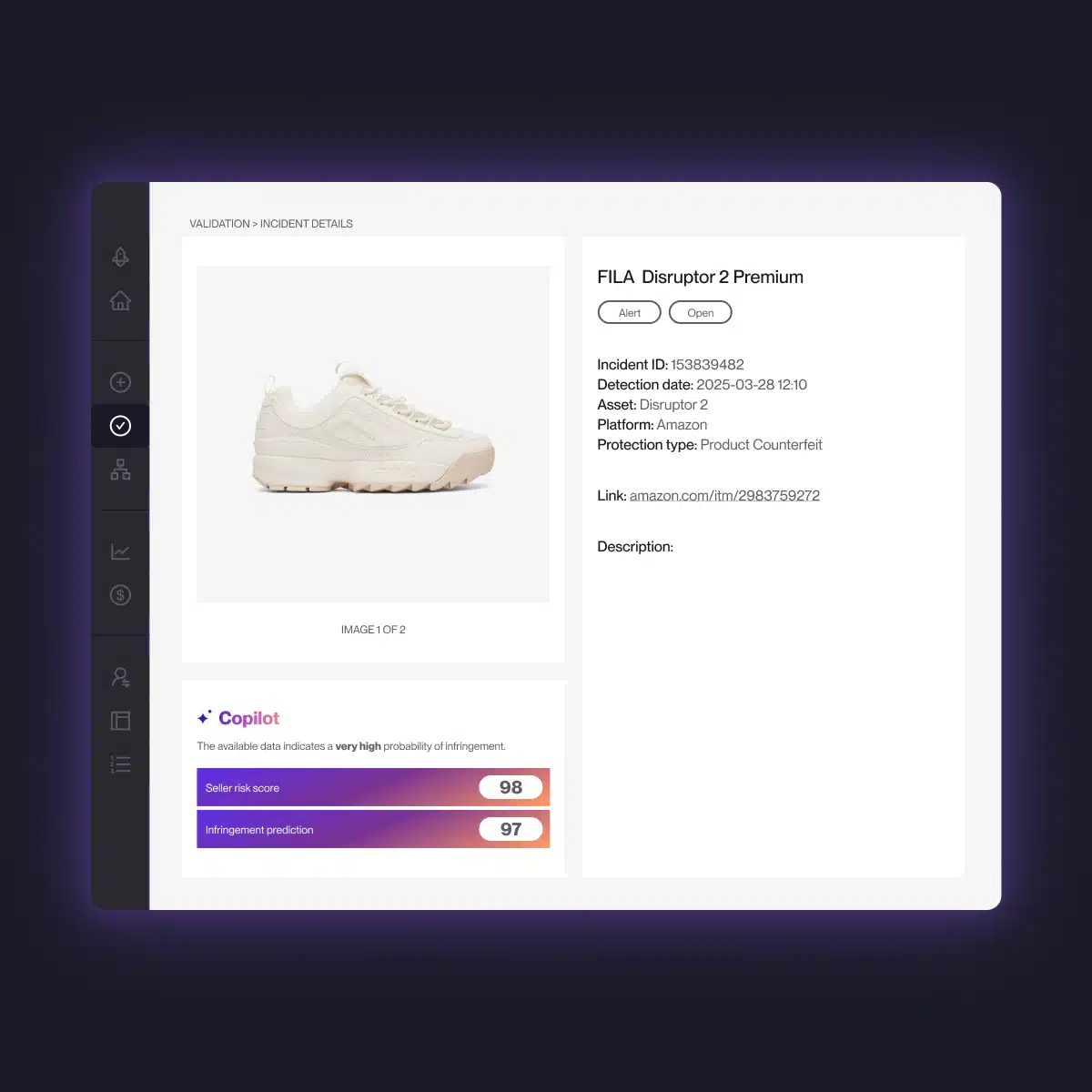
- Risk scoring for suspicious sellers based on historical behavior, pricing anomalies, and product listings.
- Detection of fake or unauthorized domains, helping brands shut down fraudulent websites impersonating them.
- Detailed seller analytics, allowing businesses to track patterns and prevent repeat fraud.
Continuous fraud monitoring & data insights
Triangulation fraud is constantly evolving, with scammers finding new ways to exploit brands. Red Points analyzes 2.7 billion data points per month, giving brands real-time fraud insights and helping them stay ahead of emerging threats.
- AI-driven monitoring of global marketplaces, social media, and standalone sites.
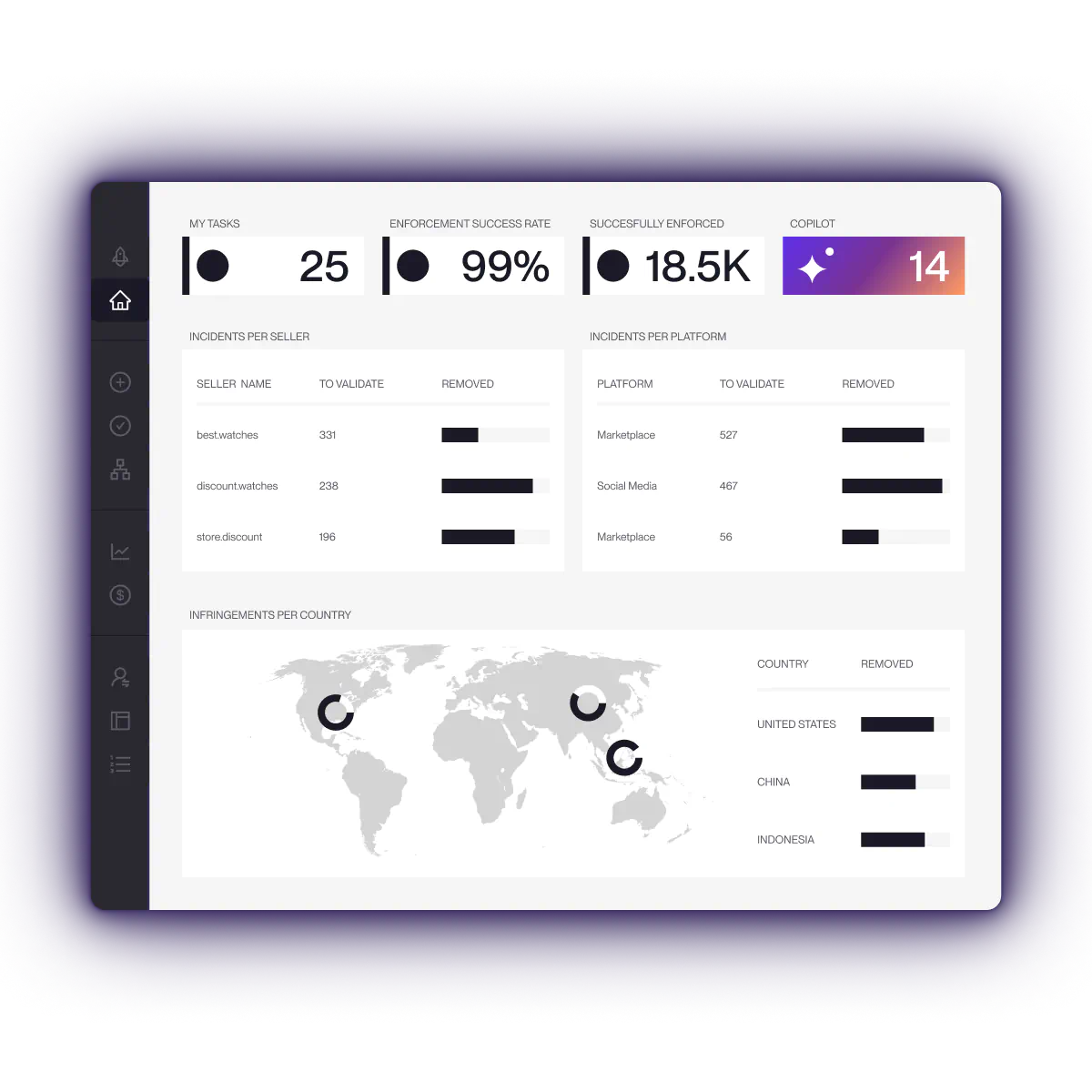
- Customizable reporting dashboards, helping brands track enforcement results and fraud trends.
- Predictive analytics, allowing brands to anticipate and prevent future fraud attempts.
What’s next
Triangulation fraud is a growing challenge for e-commerce businesses, and without a solid prevention strategy, it can quickly lead to chargebacks, lost revenue, and brand reputation damage. Staying ahead of fraudsters means taking a proactive approach to monitoring, enforcement, and risk management.
With Red Points’ AI-driven brand protection, you can:
- Detect and remove unauthorized sellers before they impact your business.
- Shut down fraudulent listings and fake websites at scale.
- Gain real-time insights to track and prevent repeat offenders.
The sooner you take action, the less impact fraudsters will have on your brand. Get in touch today to see how Red Points can help you protect your business.