

Game cracking is one of the most persistent piracy threats facing video game developers, publishers, and studios. A cracked game removes or bypasses the security systems that control access to a paid game, premium feature, online service, or protected build.
For players, cracked games may look like a free shortcut. For developers, they can mean lost revenue, malware risks for users, server abuse, unfair gameplay, reputational damage, and ongoing intellectual property enforcement work.
Game cracking is not limited to one piracy website or one download link. Cracked games can spread through torrent sites, cyberlockers, Discord servers, Telegram groups, social media posts, search results, resellers, forums, marketplaces, and “how to install” videos. Once a cracked build is public, copies can be reuploaded faster than manual teams can find and remove them.
This guide explains what game cracking is, the most common cracking methods, how cracked games are distributed, what to do if your game is cracked, and how developers can reduce the impact of game piracy.
TL;DR
- Game cracking is the process of bypassing a game’s DRM, license checks, activation systems, or server-side controls so the game can be used without authorization.
- Cracked games can damage revenue, player trust, multiplayer fairness, cybersecurity, and the long-term value of a game’s intellectual property.
- Common cracking methods include reverse engineering, patching, keygens, DRM bypasses, server emulation, repacked files, and modified game builds.
- Cracked games are distributed through piracy sites, torrents, cyberlockers, social media, forums, messaging apps, marketplaces, search engines, and video tutorials.
- Developers should combine technical protections, monitoring, takedowns, community reporting, and repeat-infringer tracking.
- Developers should combine technical protections, monitoring, takedowns, community reporting, and repeat-infringer tracking to manage game cracking at scale.
What is game cracking?
Game cracking is the process of bypassing, disabling, or modifying the technical protections that control access to a video game. These protections may include DRM, license keys, activation checks, platform authentication, online verification, anti-tamper systems, subscription gates, or server-side access controls.
The people who crack games are often called crackers. Their goal is usually to create a version of the game that can be installed, played, shared, or sold without the developer’s authorization.
A cracked game may allow users to:
- Play a paid game without buying it
- Access premium content without paying
- Bypass platform authentication
- Remove always-online checks
- Disable DRM or anti-tamper protections
- Use stolen or generated license keys
- Access a game before its official release
- Run modified versions of the game client
- Connect to unauthorized servers
Game cracking is a form of software piracy, but it creates gaming-specific risks. A cracked business tool may mainly affect licensing revenue. A cracked game can also affect multiplayer integrity, in-game economies, live-service monetization, community trust, and the player experience.
Game cracking vs. game piracy
Game cracking and game piracy are closely related, but they are not exactly the same.
Game cracking refers to the technical act of bypassing the protections that prevent unauthorized use. Game piracy refers to the broader unauthorized copying, distribution, sale, streaming, or use of a game or game-related content.
In practice, cracking is often the first step that enables wider piracy. Once a game has been cracked, pirates may upload it to torrent sites, sell copies on marketplaces, promote download links through social media, or bundle it with malware.
For developers, the enforcement target is usually not only the person who created the crack. The bigger operational problem is the distribution network that spreads the cracked game across websites, search results, social channels, forums, and private groups.
Why game cracking is a serious problem for developers
Game cracking affects more than the sale of one unauthorized copy. It can weaken the business model behind the game and create long-term trust problems with players, partners, and platforms.
Revenue loss
The most obvious impact is lost revenue. If users can download or access a paid game for free, developers lose potential sales, subscriptions, in-game purchases, DLC revenue, and upgrade revenue.
The impact can be especially damaging during launch windows, when a game’s first weeks often drive the highest sales, marketing momentum, and platform visibility.
Unfair competition
Cracked games compete directly with legitimate versions in search results, forums, social media posts, and download communities. Pirates may use keywords such as “free download,” “crack,” “full version,” “unlocked,” “no DRM,” “repack,” or “modded” to capture users already searching for the official game.
This can divert high-intent traffic away from official purchase pages and reduce the effectiveness of paid marketing.
Malware and player security risks
Cracked games frequently come from untrusted sources. Downloads may be bundled with malware, spyware, credential stealers, crypto miners, unwanted software, or fake installers.
Even when the developer is not responsible for the malware, players may still associate the negative experience with the game brand. This can lead to support tickets, negative reviews, refund requests, and social media complaints.
Multiplayer abuse
Cracked or modified game clients can undermine multiplayer fairness. They may be used with cheats, unauthorized servers, item manipulation, account abuse, or exploits that damage the player community.
For live-service games, the damage can extend into matchmaking, leaderboards, digital economies, esports integrity, and player retention.
Brand and reputation damage
A cracked version of a game may be unstable, outdated, infected, or missing features. Players who download it may still blame the studio for poor performance, crashes, security warnings, or account issues.
This is especially harmful when pirates use the official game name, cover art, screenshots, trailers, and branding to promote the unauthorized copy.
Higher enforcement costs
Once cracked copies spread, legal, trust and safety, security, marketing, and support teams may all need to respond. Manual searches are slow, and takedowns can become repetitive if the same content is reuploaded across multiple channels.
This is why many studios need a structured anti-piracy process rather than one-off enforcement.
Common examples of game cracking
Game cracking can involve many different technical methods. The following examples are high-level explanations of common tactics developers should understand from a risk and enforcement perspective.
Reverse engineering
Reverse engineering involves analyzing a game’s code, files, or behavior to understand how its protections work. Crackers may use this knowledge to identify where authentication, license checks, DRM, or anti-tamper systems are implemented.
Developers should treat reverse engineering risk as part of the overall software security model, especially before launch, during beta testing, and after major updates.
DRM bypasses
Digital Rights Management systems are designed to control access to copyrighted software. In games, DRM may verify that a user owns the game, that the license is valid, or that the game has not been modified.
A DRM bypass disables or works around those controls. This can allow users to launch the game without buying it, avoid activation checks, or run a copied version outside the intended platform.
DRM can slow down piracy, but it should not be the only layer of protection. Cracking groups often focus heavily on bypassing DRM, and even strong DRM can become less effective if pirates find weak points elsewhere in the game’s architecture.
Patching
Patching involves modifying game files or executables so that protected checks no longer work as intended. A patch may remove license validation, change how the game launches, alter feature restrictions, or disable calls to an authentication system.
Piracy communities may distribute patched files separately from the full game, which makes enforcement harder. A takedown strategy should therefore monitor both full cracked copies and smaller patch files.
Key generators
A key generator, or keygen, is a tool that creates unauthorized serial numbers, product keys, activation codes, or license credentials.
Keygens are common in software piracy and can also affect games that use keys for installation, activation, DLC access, or platform redemption. Some keygen downloads are also used as malware delivery tools.
For developers, suspicious key-related activity may also overlap with stolen codes, unauthorized reselling, and gray-market distribution.
Server emulation
Some games depend on official servers for authentication, matchmaking, content access, player data, inventory, or live-service features. Server emulation attempts to imitate those official servers so that users can play outside the legitimate environment.
This can be especially harmful for online games because it may create unauthorized private servers, fragment the player base, bypass monetization, or expose players to security risks.
Repacked games
A repack is a compressed or redistributed version of a game package. Not every repack is necessarily created through the same technical process, but pirated repacks are often used to make unauthorized downloads smaller, easier to install, or more attractive to users.
Repack pages can rank in search results and often use official screenshots, logos, trailers, system requirements, and game descriptions to look credible.
Modified game builds
Modified builds may change gameplay, remove restrictions, unlock paid features, bypass ads, include cheats, or alter game assets. These versions can appear as mods, cracked builds, trainers, APKs, private server clients, or “unlocked” editions.
Not all modding is harmful or unauthorized. Many games support legitimate modding communities. The problem begins when modified builds violate copyright, bypass access controls, enable cheating, or distribute protected game files without permission.
How cracked games are distributed
Cracked games spread through many channels at once. Developers should map the full distribution path rather than focusing only on torrent sites.
Piracy websites
Dedicated piracy websites often host pages for cracked games, repacks, patches, keygens, and installation instructions. These pages may use SEO tactics to rank for the game name plus terms such as “crack,” “download,” “free,” “torrent,” “repack,” or “full version.”
Torrents and peer-to-peer networks
Torrents remain a common way to distribute large game files. Even if the original upload is removed, copies may persist through mirrors, magnet links, and reuploads.
Cyberlockers and file-sharing sites
Cyberlockers host cracked game files behind direct download links. These links may be shared through blogs, forums, social media, Discord, Telegram, or video descriptions.
Forums and private communities
Gaming forums, invite-only communities, Discord servers, Telegram channels, and Reddit-style discussion threads can be used to share download links, patch files, installation steps, and troubleshooting advice for pirated games.
Private or semi-private distribution is harder to detect because the content may not appear in normal search results.
Social media platforms
Pirates may promote cracked games through public posts, comments, fake profiles, groups, short videos, or direct messages. Social posts often act as the traffic source, while the actual download is hosted elsewhere.
This overlaps with broader social media takedown work because enforcement may need to target the post, profile, group, and linked download destination.
Video platforms
Video tutorials can show users how to download, install, or “fix” cracked versions of a game. The video itself may not host the infringing file, but it can drive users to piracy links in descriptions, comments, pinned posts, or external pages.
Marketplaces and reseller sites
Cracked games, stolen keys, modded accounts, private server access, and unauthorized downloads may be sold through marketplaces or reseller sites. These listings can look like discounted legitimate products, which makes them dangerous for players and damaging for developers.
Search engines
Search engines can surface piracy pages, cracked download sites, fake installer pages, and repack listings. Even if the infringing file is hosted elsewhere, search visibility can drive a large share of piracy traffic.
For high-volume piracy terms, developers may need both takedowns and search engine removal to reduce discoverability.
What to do if your game has been cracked
If your game has been cracked, the priority is to understand the scope, preserve evidence, and reduce access to the cracked build as quickly as possible. The response should include both technical remediation and content enforcement.
Step 1: Confirm the cracked version
Verify that the file, listing, page, or post is actually distributing a cracked or unauthorized version of your game. Save the URL, screenshots, page title, file name, upload date, uploader name, description, comments, and any visible download links.
If the content is hosted on multiple pages, record each location separately. Do not rely on one screenshot if the campaign includes a website, social post, video, file host, and search result.
Step 2: Assess the scope
Map where the cracked game is appearing. Check piracy sites, torrent indexes, cyberlockers, forums, marketplaces, social platforms, video platforms, messaging channels, and search results.
Look for repeated names, mirrors, file hashes, uploader accounts, download pages, monetized link shorteners, and domains. This helps identify whether you are dealing with one upload or a wider piracy network.
Step 3: Identify the infringement type
Classify the issue before filing takedowns. A cracked game may involve copyright infringement, circumvention of access controls, unauthorized distribution, trademark misuse, counterfeit keys, stolen accounts, malware impersonation, or platform policy violations.
The stronger and more specific the report, the easier it is for platforms to review the claim. For example, a copyright claim should identify the original game, the protected work, the infringing URL, and the unauthorized copy being distributed.
Step 4: Submit takedown requests
File takedown requests with the relevant platform, host, search engine, marketplace, or social network. For copyright issues, this may involve a DMCA takedown or an equivalent copyright removal process outside the United States.
If the cracked game is being promoted through a fake website, you may also need a domain takedown or hosting provider report.
Step 5: Remove the discovery paths
Removing one download link is not enough if users can still find other mirrors through search, social media, or video tutorials. Report the pages, posts, comments, ads, profiles, videos, and search results that send users to the cracked file.
This is especially important when pirates keep the same promotional page live but rotate the underlying download links.
Step 6: Patch the vulnerability where possible
Work with security and engineering teams to understand how the cracked version bypassed protections. Depending on the issue, you may need to patch client-side weaknesses, harden server-side validation, rotate keys, update anti-tamper measures, improve telemetry, or adjust release controls.
Avoid relying only on the same protection that has already been bypassed. A layered approach is usually more resilient.
Step 7: Monitor for reuploads
Cracked games often return after removal. Track repeated file names, uploader handles, domains, keywords, hashes, watermarks, descriptions, and community posts. Use this information to detect new versions faster and link repeat cases together.
How developers can prevent game cracking
No protection method can guarantee that a game will never be cracked. The goal is to reduce risk, delay unauthorized access, limit distribution, and make piracy harder to monetize.
Use layered technical protections
Combine DRM, anti-tamper measures, license checks, server-side validation, build protection, obfuscation, account controls, and telemetry. Each layer should reduce dependence on any single control.
For online and live-service games, avoid trusting only the client. Critical decisions related to purchases, inventory, progression, matchmaking, and entitlements should be validated server-side wherever possible.
Protect pre-release builds
Leaks before launch can be especially damaging. Limit access to builds, watermark review copies, control beta distribution, monitor closed testing communities, and revoke access when needed.
If review, influencer, or partner builds are distributed, use unique identifiers so leaks can be traced back to the source.
Monitor piracy keywords
Track the game title alongside piracy-related terms such as crack, cracked, free download, torrent, repack, keygen, serial key, trainer, mod menu, unlocked, bypass, private server, and full version.
Pirates often use misspellings, abbreviations, foreign-language terms, emojis, and coded language to avoid detection. Monitoring should account for these variations.
Watch high-risk channels
Developers should monitor more than the obvious piracy sites. Key channels include torrents, cyberlockers, forums, private communities, marketplaces, social platforms, video platforms, search engines, and app stores for mobile games.
Mobile games may also face APK and IPA distribution risks. These should be monitored as part of a broader mobile app protection strategy.
Build a fast takedown workflow
A slow response gives cracked copies time to spread. Create templates, evidence checklists, escalation paths, and platform-specific reporting processes before a launch or major update.
The workflow should include who owns detection, who validates infringement, who files reports, who tracks removals, and who escalates repeat offenders.
Coordinate legal, security, and community teams
Game cracking is not only a legal issue. Security teams may need to analyze the bypass. Community teams may need to respond to player questions. Support teams may need to handle malware complaints. Marketing teams may need to correct search and social visibility.
A coordinated response prevents duplicate work and helps teams act quickly when piracy spikes.
Educate players
Players may not understand the risks of cracked games. Clear messaging can explain that cracked downloads may contain malware, steal credentials, break multiplayer features, or put accounts at risk.
Player education is most effective when it appears where users make decisions: official support pages, community forums, launch posts, store pages, and social channels.
What to do next
Game cracking cannot be solved with DRM alone. Developers need a combined strategy that protects the build, monitors the channels where cracked games spread, removes unauthorized copies quickly, and tracks reuploads after takedown.
If your game is preparing for launch, build the anti-piracy process before release. If your game has already been cracked, start by mapping the distribution network, preserving evidence, filing takedowns, and monitoring for repeat uploads.
The more quickly you detect cracked copies and remove discovery paths, the less time pirates have to capture players, damage trust, and monetize your work.
How Red Points helps video game developers fight game cracking
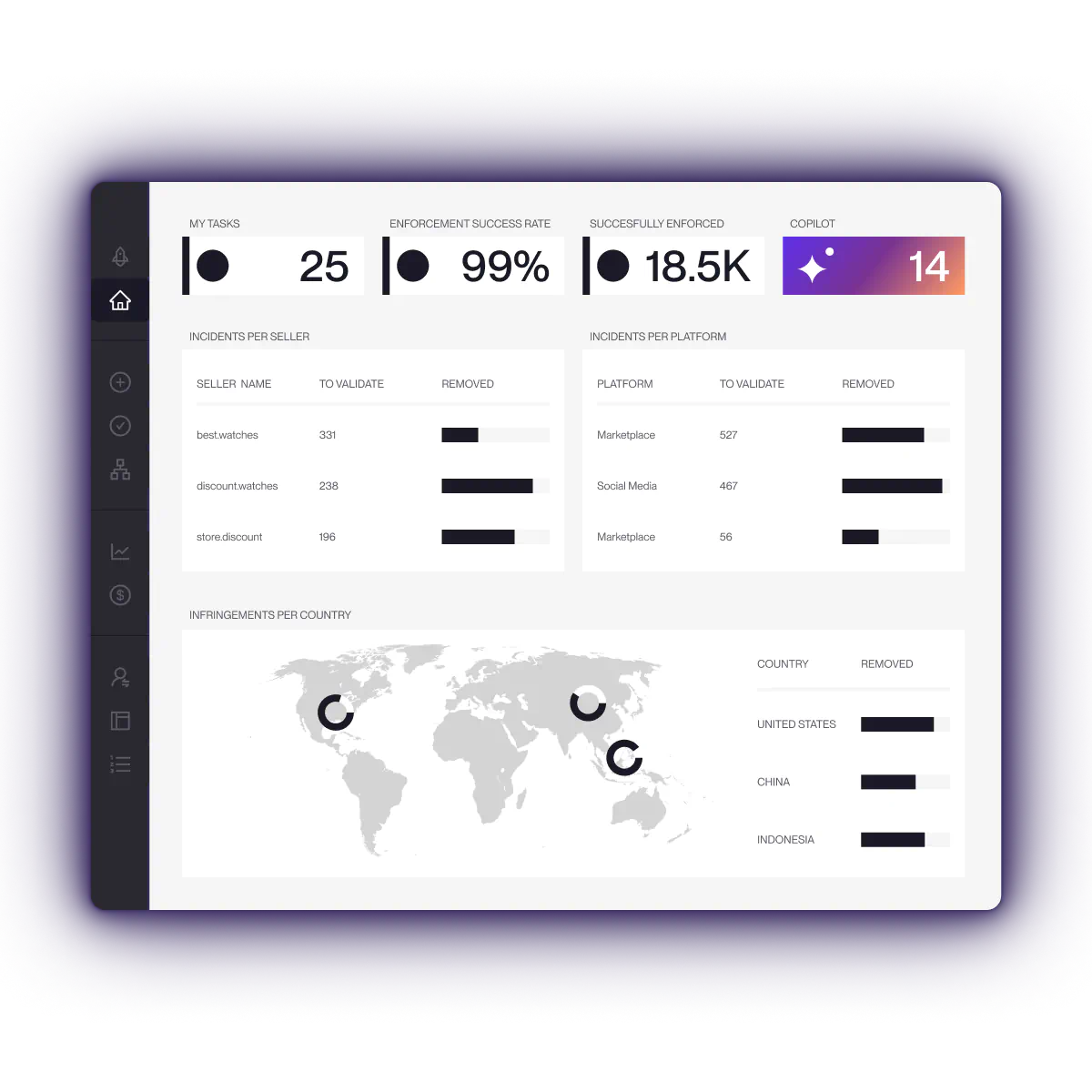
Red Points helps video game developers, publishers, and software companies detect and remove cracked games, pirated downloads, unauthorized listings, and piracy-related content across the web.
With Red Points’ Anti Piracy solution, game companies can:
- Detect cracked game files, download pages, torrents, cyberlocker links, and piracy listings
- Monitor search engines, marketplaces, social platforms, forums, video platforms, and piracy sites
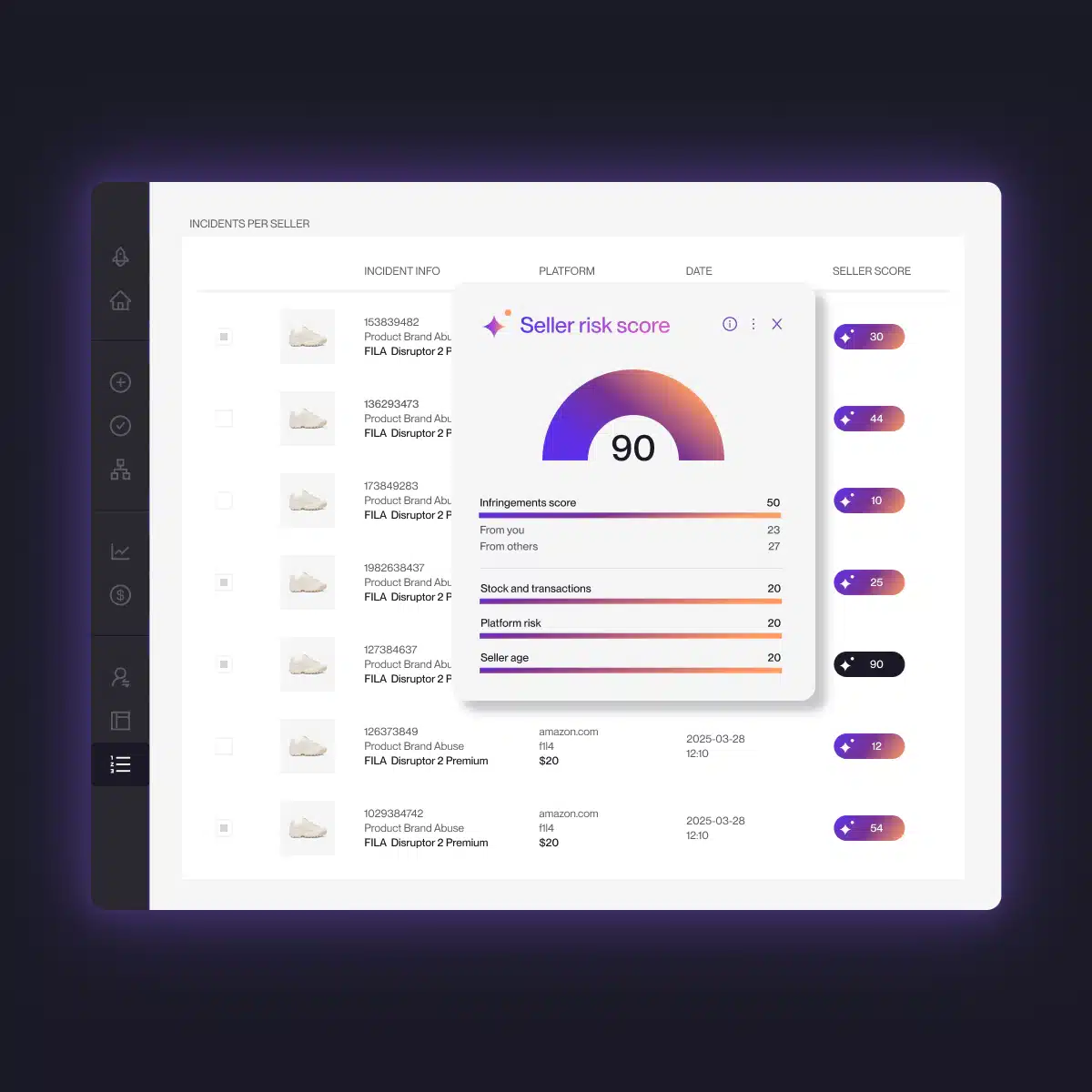
- Identify repeat infringers, reuploads, mirrors, and distribution patterns
- Validate piracy cases before enforcement
- Submit takedowns at scale
- Reduce visibility of cracked games in search and social channels
- Track enforcement outcomes and piracy trends over time
This matters because cracked games rarely stay in one place. A single release can spread through download pages, mirrors, comments, video tutorials, and private groups. Red Points combines automated detection with enforcement workflows to help teams respond faster and reduce the manual burden on legal, security, and brand protection teams.
Red Points processes 4.6M+ enforcements per year across websites, marketplaces, social media, video platforms, search engines, and piracy sites.
For game companies that want a fully managed approach, Red Points’ specialists handle detection and enforcement — teams validate where they choose to, without manually reviewing every identified upload.
A validation layer filters false positives before any enforcement action is submitted, so only confirmed piracy cases are actioned.
Request a demo to see how Red Points helps game companies detect and remove cracked games online.
Frequently asked questions
Game cracking means bypassing, disabling, or modifying the technical protections that control access to a video game. These protections may include DRM, license checks, activation systems, platform authentication, or server-side access controls.
No. Game cracking is the technical process of bypassing protections. Game piracy is the broader unauthorized copying, distribution, sale, or use of a game. Cracking often enables piracy, but piracy also includes activities such as selling stolen keys, sharing unauthorized downloads, or distributing protected game files.
Game crackers are individuals or groups who analyze, reverse engineer, and modify video game code to bypass the technical protections that control access. Some operate as part of organized cracking groups that release cracked games publicly as a challenge or for reputation within piracy communities. Others distribute cracked copies for financial gain through download sites, private channels, or reseller platforms. Crackers typically have software engineering or reverse engineering skills and often focus on games with high commercial value, large player bases, or recently released titles where cracked copies capture the most interest.
People crack games to access paid games for free, bypass DRM, unlock premium content, remove online checks, create unauthorized copies, sell pirated versions, or gain attention in piracy communities.
In many cases, cracking a game violates copyright law, anti-circumvention rules, license agreements, platform policies, or terms of service. The exact legal position depends on the jurisdiction and the facts of the case, but distributing or using cracked copies is a serious legal and commercial risk.
DRM can reduce risk and delay cracking, but it cannot guarantee permanent protection. Developers should use DRM as one layer in a broader strategy that includes server-side validation, monitoring, takedowns, player education, and repeat-infringer tracking.
A cracked game is a version of a game that has been modified or distributed so users can access it without authorization. It may bypass payment, licensing, authentication, DRM, online checks, or platform controls.
Yes. Cracked games can expose players to malware, stolen credentials, fake installers, broken features, account bans, and unstable gameplay. They may also connect players to unauthorized servers or scams.
Cracked games spread through piracy websites, torrents, cyberlockers, forums, Discord servers, Telegram channels, marketplaces, social media, search engines, and video tutorials. Many campaigns use several channels at the same time.
Developers should confirm the infringement, collect evidence, map where the cracked game is being distributed, file takedown requests, remove search and social discovery paths, patch any exploitable weaknesses, and monitor for reuploads.
Yes. Cracked or modified clients can damage multiplayer games by enabling cheating, unauthorized servers, item manipulation, account abuse, or unfair access. This can reduce player trust and harm the game’s community.
Developers can monitor piracy sites, search results, social platforms, forums, marketplaces, cyberlockers, video platforms, and messaging communities using game titles, piracy keywords, file names, uploader patterns, and known reupload signals.
Yes. Red Points helps game companies detect, validate, and remove cracked games, pirated downloads, unauthorized listings, and piracy content across multiple online channels.