








TL;DR
- Red Points and Netcraft both address online brand abuse, but from different starting points.
- Red Points is a comprehensive, AI-powered brand protection platform covering counterfeits, impersonation, gray market, piracy, fake websites, and more.
- Netcraft specializes in phishing detection and domain-level takedowns — a strong fit for anti-fraud and cybersecurity teams.
- The right choice depends on whether you need anti-phishing infrastructure or full-scope brand enforcement across all channels.
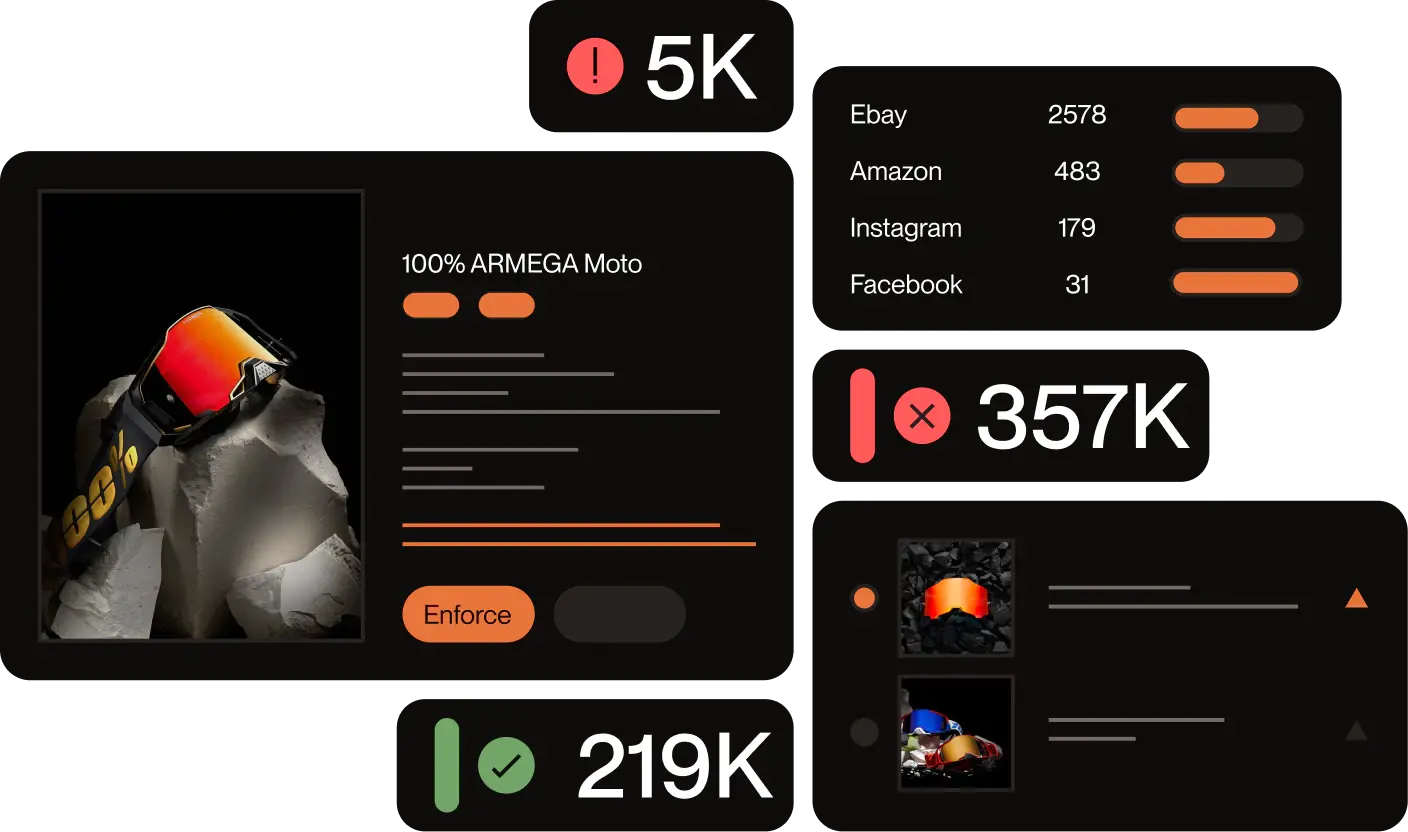
Red Points and Netcraft are both online brand protection platforms, but they address different threat categories. Red Points covers the full spectrum of brand abuse (counterfeits, marketplace infringement, fake websites, social media impersonation, gray market, fake ads, and piracy) under one managed AI-led platform. Netcraft is purpose-built for phishing detection, domain-level takedowns, and anti-fraud infrastructure, making it a specialist tool for cybersecurity and financial services teams.
This comparison covers detection scope, enforcement model, pricing structure, and the use cases where each platform is the stronger fit.
How do Red Points and Netcraft compare feature by feature?
The table below compares both platforms across the criteria that matter most for brand protection teams in 2026:
| Feature | Red Points | Netcraft |
|---|---|---|
| Unlimited takedowns | Yes — flat-fee model, unlimited detections and enforcements | No — scoped to phishing/domain cases; no volume-based enforcement model |
| Phishing & fake websites | Yes — continuous scanning, domain monitoring, and impersonation removal | Yes — anti-phishing detection and takedown |
| Marketplace coverage | Yes — Amazon, eBay, Alibaba, and 200+ global platforms | No — marketplaces are outside scope |
| Social media & ads | Yes — full coverage across social networks and digital ad platforms | Yes — platforms not disclosed. Its cybersecurity focus typically yields lower success rates for IP-specific social infringements than dedicated brand protection tools. |
| Counterfeit & trademark | Yes — counterfeits, gray market, and trademark infringement | No — no IP or trademark protection capabilities |
| AI risk scoring | Yes — Contextualized data and insights across 1,300 brands, with an AI that learns, predicts incidents and targets high-risk sellers. | Yes — AI-based phishing detection; rules-driven triage |
| Dedicated IP specialists | Yes — fully managed by IP-Ops experts | Yes — AI-based detection and analyst oversight |
| China domestic coverage | Yes — Goofish, Pinduoduo, WeChat, Douyin, and more | No — focused on Western internet infrastructure |
| Pricing model | Flat-fee — predictable, unlimited enforcement included | Per-usage model; costs can escalate with volume |
What is the core difference between Red Points and Netcraft?
The core difference lies in scope. Netcraft was purpose-built for phishing detection and domain-level threat disruption, and it performs that function well, particularly for financial services organizations and teams managing fraud risk. Red Points was built to protect brands from the full spectrum of online abuse: counterfeits on marketplaces, fake social accounts, gray market sellers, piracy, impersonation, and fake websites, all under one managed platform.
Red Points delivers end-to-end AI-led brand protection, fully operated by IP experts using predictive AI custom to each brand. Built on 2.7 billion monthly data points and over 50 million tracked infringers, its AI validates threats at scale. Once validated, enforcement triggers immediately with no volume caps. To secure the highest success rates, Red Points utilizes hyper-tailored enforcement (adjusting every takedown to the specific asset and platform) and multi-agent enforcement to dismantle complex fake websites across multiple layers of web infrastructure.
Netcraft combines AI-based phishing detection with automated disruption capabilities. It excels at identifying phishing infrastructure, fake domains, and scam sites, and it maintains a large blocklist used in browser extensions. For teams focused exclusively on that threat category, it is a credible option. For teams needing broader brand enforcement, its scope does not extend to marketplaces, gray market, or anti-piracy protection.
How do Red Points and Netcraft handle detection and takedowns?
How Red Points detects and removes brand threats
Red Points scans the internet continuously, 24/7, across marketplaces, websites, social platforms, ad networks, mobile apps, and domains. Detection goes beyond keyword matching: it uses image fingerprinting, OCR, and cross-channel seller intelligence to identify entire networks of infringers, not just isolated listings. Each detected case is risk-scored before enforcement, so only high-confidence violations are actioned. IP-Ops specialists oversee detection logic and refine rules over time; accuracy improves without requiring client involvement.
How Netcraft detects and removes phishing threats
Netcraft’s detection focuses on phishing sites, scam pages, and domain abuse. It processes DNS registrations, spam feeds, anti-phishing community reports, and proprietary intelligence to identify threats early. Once a phishing site is detected, countermeasures activate quickly, including blocklist updates in browser extensions that provide interim protection while a formal takedown is pursued.
What does the customer experience look like with each platform?
Red Points customer experience
Red Points is a fully managed platform. IP-Ops specialists handle detection, validation, enforcement, and program optimization on behalf of clients. Every client receives a dedicated Customer Success Manager and implementation specialist. Onboarding typically covers channel prioritization, trademark documentation submission, and initial rule configuration. Most clients reach live enforcement within 2 weeks.
Once live, the platform dashboard provides real-time visibility into detections, enforcement actions taken, and infringement trends by channel and geography. IP-Ops specialists proactively flag emerging seller networks and escalate complex cases without client involvement. The internal team’s role is to review strategic decisions and outcomes, not to manage day-to-day enforcement operations.
Netcraft customer experience
Netcraft operates on a heavily automated model designed for speed across large volumes of phishing cases. Its interface is functional but noted by users as dated compared to modern security platforms. The platform’s reporting options have limited customization; filtering by attack type or severity is not readily available. The solution works best when used alongside an internal security team rather than as a standalone managed service.
How do Red Points and Netcraft compare on pricing?
Red Points uses a flat-fee structure that includes unlimited detections and takedowns by channel. This provides predictable costs for fast-growing brands and eliminates the risk of enforcement being rationed to stay within budget, even during seasonal spikes or when scaling into new markets.
Netcraft’s pricing model is usage-based, and users report that costs can escalate as activity increases. Core features and actions that clients expect to be included sometimes carry additional charges, which makes budgeting less straightforward.
Which platform is right for your brand?
Choose Red Points if:
- You manage infringement across marketplaces, social media, websites, ads, or domains, or any combination of these.
- You need unlimited takedowns with predictable flat-fee pricing.
- You want a fully managed platform operated by IP experts, with minimal internal workload required.
- You need cross-channel seller intelligence to address entire infringer networks, not just individual listings.
- You want to convert brand protection into measurable revenue recovery via the Revenue Recovery Program.
Choose Netcraft if:
- Your primary risk is phishing, fake login pages, and domain-level abuse, with no requirement for marketplace or unauthorized seller enforcement.
- You operate in financial services or the public sector, where anti-phishing infrastructure is the central protection need.
- You have an internal cybersecurity team that can compensate for limited reporting customization and onboarding support.
Frequently asked questions (FAQs)
Does Netcraft protect brands on marketplaces like Amazon or social platforms?
No. Netcraft’s platform is focused on phishing, fake domains, and web-based fraud. Marketplace monitoring, counterfeit detection, social media impersonation removal, and unauthorized seller enforcement are outside its scope. Brands that sell on e-commerce platforms or face infringement on social networks will need a dedicated brand protection solution for those channels.
How does Red Points handle phishing and fake websites alongside broader brand protection?
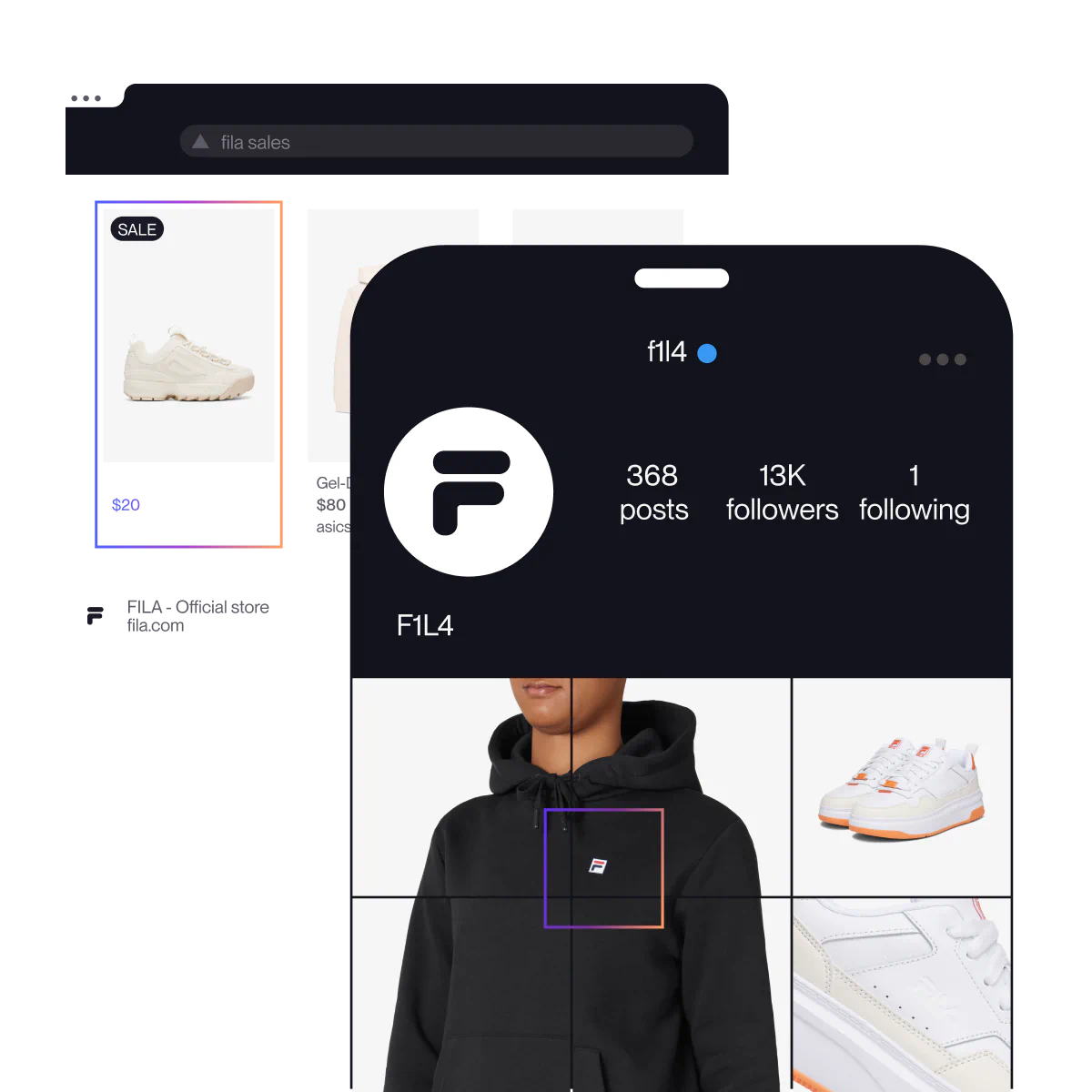
Red Points covers phishing sites, impersonation domains, and fake websites as part of its Impersonation Removal and Domain Management products. Detection combines DNS monitoring, OCR, image recognition, and website signal analysis. Once a threat is validated by IP-Ops specialists, takedown is triggered automatically, with no per-action fees and no volume caps. Phishing and domain threats are treated as one dimension of a broader, cross-channel enforcement program.
Is Red Points or Netcraft better for a brand operating across multiple global markets?
Red Points is built for global brand enforcement, with coverage spanning China-domestic platforms (Goofish, Pinduoduo, WeChat, Douyin), Southeast Asian marketplaces, European and North American e-commerce, and global social networks. Netcraft has strong coverage of Western internet infrastructure and established relationships with cybersecurity institutions in the UK. For brands with significant exposure across Asia-Pacific or platforms outside Western markets, Red Points’ global footprint is the stronger fit.
Which platform offers better cost predictability?
Red Points uses a flat-fee pricing model that covers unlimited detections and takedowns. Enforcement costs remain fixed regardless of infringement volume — a meaningful advantage during peak seasons or when expanding into new channels. Netcraft’s usage-based model means costs can vary and should be modeled carefully during evaluation, particularly for teams with high-volume phishing exposure.
What is the difference between phishing protection and brand protection?
Phishing protection focuses on detecting fraudulent sites and infrastructure designed to steal credentials or financial data. Brand protection encompasses phishing but also extends to counterfeit products, unauthorized sellers, trademark infringement, social media impersonation, gray-market distribution, and piracy, threats that damage brand revenue and reputation, rather than (or in addition to) committing fraud.
Does Netcraft cover social media impersonation removal?
Yes. Netcraft covers social media and ads at the platform level, but the specific platforms are not publicly disclosed, and coverage is primarily oriented toward fraud and phishing rather than brand impersonation or trademark enforcement. Red Points covers Facebook, Instagram, LinkedIn, TikTok, and YouTube for both organic impersonation profiles and fraudulent paid ads.