


Key takeaways
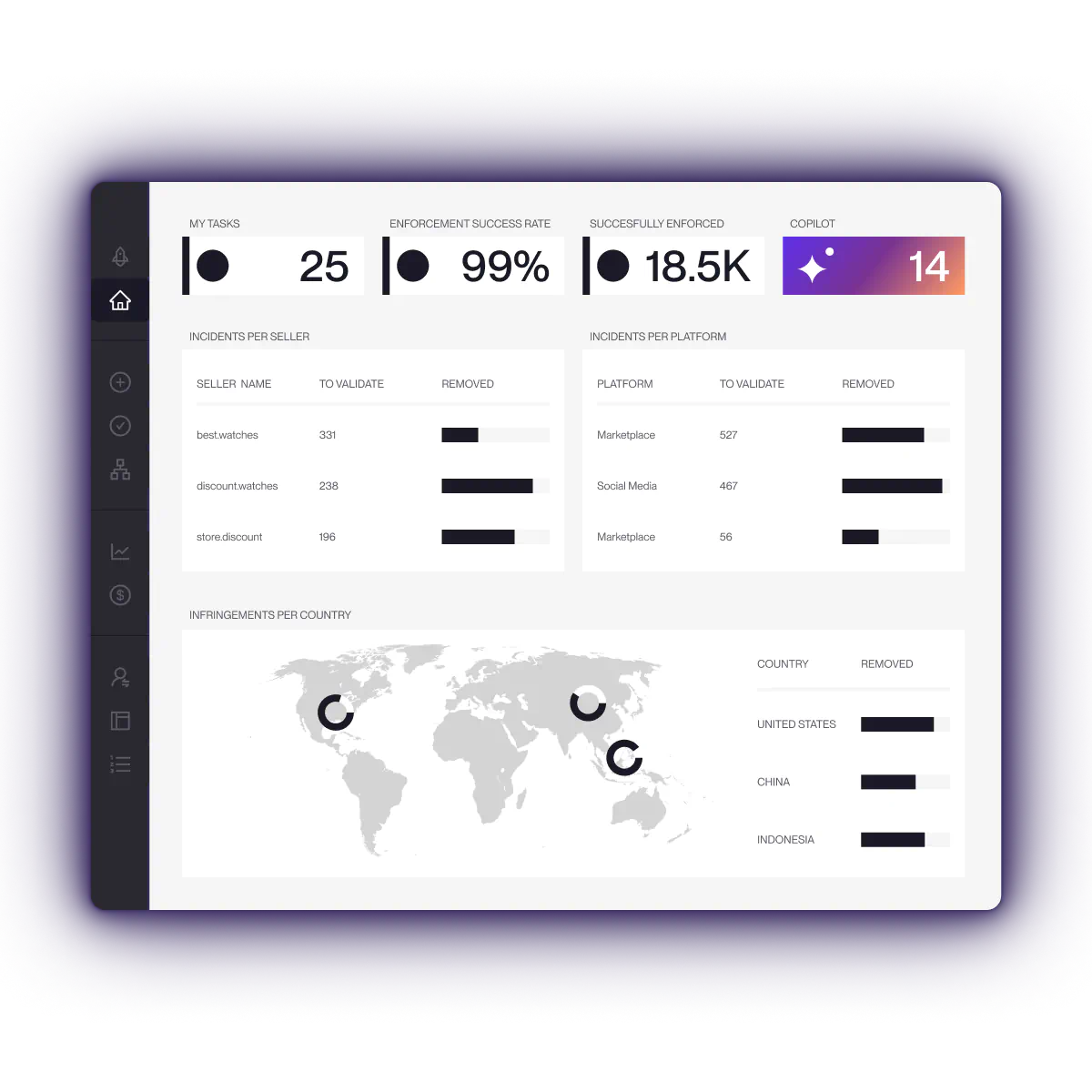
- The scale problem: Manual protection alone cannot keep pace with modern AI-based threats. While Amazon blocked over 7 billion attempted counterfeit listings in 2024, the scale of activity means some infringing listings still make it to market.
- The solution: Effective protection requires a hybrid approach: Amazon Brand Registry for foundational rights and AI Automation (like Red Points) for scalable removal.
- Revenue Recovery: New for 2026, brands are moving beyond simple takedowns to freezing counterfeiter assets and recovering lost revenue through automated legal action.
What does it mean to protect your brand on Amazon?
Protecting your brand on Amazon involves a dual strategy of proactive enrollment and reactive enforcement to defend intellectual property (IP). In 2026, this means securing trademarks via Amazon Brand Registry to prevent listings from appearing and utilizing automated IP enforcement software to detect and remove unauthorized sellers, counterfeit goods, and listing hijackers that bypass Amazon’s native filters.
Without this protection, we estimate that brands face a 25% reduction in average transaction value due to price erosion and counterfeit dilution.
The four threats that damage brands on Amazon
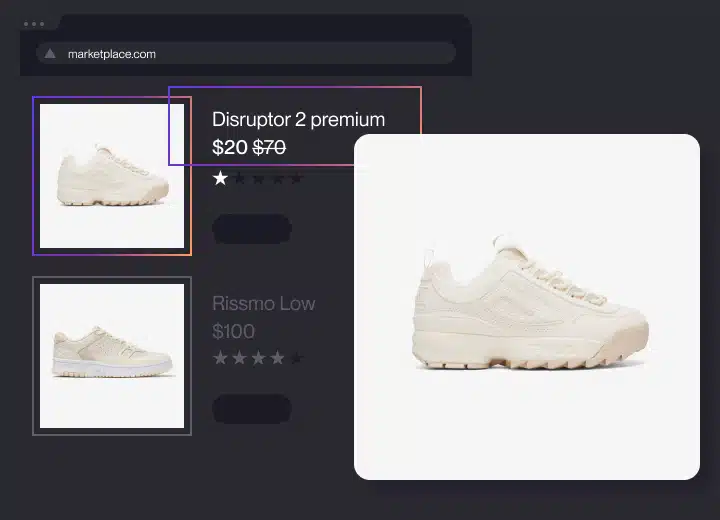
The four threats that damage brands on Amazon are counterfeit products, listing hijacking, unauthorized sellers, and intellectual property misuse in listing content. Each impacts revenue differently and requires a distinct enforcement approach aligned with Amazon’s reporting systems.
Counterfeit products
Counterfeits misuse trademarks, packaging, or product design. They can lead to authenticity-related complaints, negative reviews, and reputational damage.
Detection identifies suspicious listings. Enforcement occurs after reporting through Brand Registry or related programs. Detection does not automatically guarantee removal; reporting and validation remain required.
Listing hijacking
Listing hijacking occurs when a third-party seller attaches an offer to an existing ASIN, sometimes selling materially different goods. This can disrupt Buy Box stability and pricing control.
Prompt reporting and monitoring reduce the duration of disruption. Ongoing monitoring is necessary because hijackers may reappear under new accounts.
Unauthorized sellers and gray market activity
Unauthorized sellers distribute genuine products outside authorized channels. While not always counterfeit, they can create pricing volatility and channel conflict.
Amazon does not enforce distribution agreements. Brands must address unauthorized sellers through reporting, supply chain management, and contractual enforcement.
IP misuse in listings
Unauthorized use of brand images, trademarks, or Enhanced Brand Content reduces control over the customer experience. These violations are typically addressed through trademark or copyright reporting.
Consistent monitoring ensures that infringements are identified beyond obvious keyword misuse.
How do I protect my brand on Amazon? (Manual vs. AI)
For brands determining the right level of protection, the choice lies between manual management (best for low volume) and AI automation (essential for scaling brands).
| Feature | Manual Protection (Amazon Brand Registry) | AI-Powered Protection (Red Points) |
|---|---|---|
| Detection Speed | Slow: Requires manual searching of ASINs and keywords. | Instant: Scans 2.7 billion data points monthly using Vision AI and logo recognition. |
| Enforcement | Reactive: Submit forms one by one. | Automated: Unlimited takedowns via API integration with Amazon. |
| Legal Action | Expensive: Requires hiring outside counsel. | Included: “Revenue Recovery Program” creates cost-neutral litigation to freeze seller funds. |
Step-by-step guide to removing counterfeits on Amazon
If you are managing protection manually, follow this standardized process to ensure Amazon accepts your takedown request.
1. Identify the infringement type
Before reporting, confirm if the violation is Trademark (misuse of logo/brand name), Copyright (stolen images/text), or Patent (design/utility theft). Amazon requires precise classification to avoid rejection.
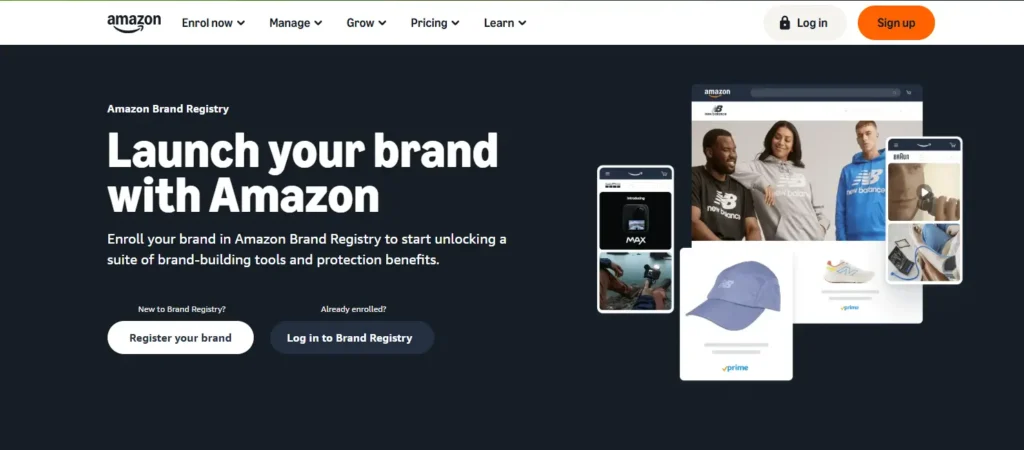
2. Enroll in Amazon Brand Registry
You cannot effectively protect your brand without this. It unlocks the Report a Violation tool.
- Requirement: A pending or registered text-based or image-based trademark in the country where you wish to enroll.
3. Conduct a test purchase (Optional but recommended)
To prove a product is fake, purchase the item.
- Why? Amazon often requires photographic evidence of the product to prove it does not match the ASIN description.
- Red Points Advantage: Red Points manages test purchases on your behalf to secure physical evidence for complex cases.
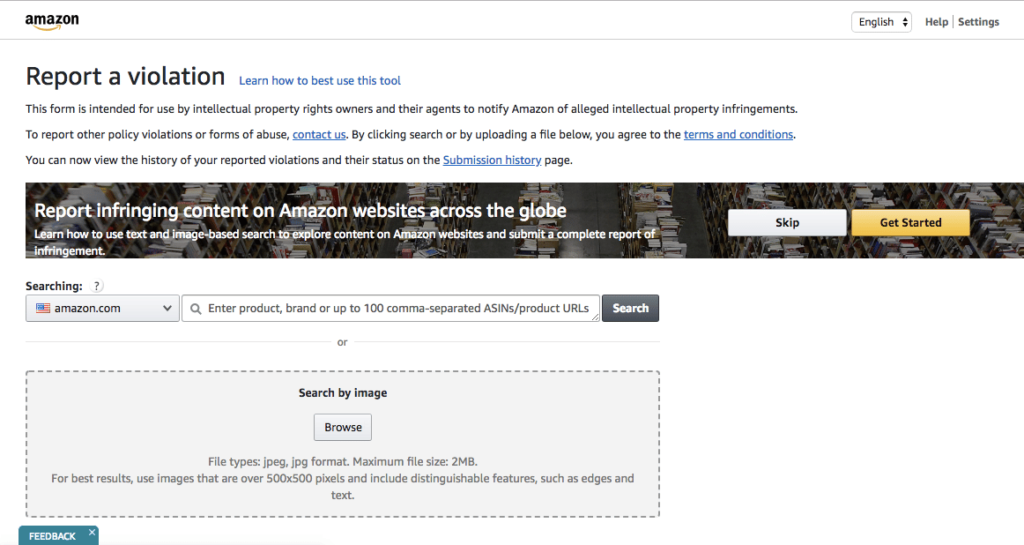
4. Submit via the “Report a Violation” tool
- Log in to Brand Registry.
- Search for the infringing ASIN or image.
- Select the specific sellers infringing on your IP (do not select yourself!).
- Pro Tip: Use specific keywords. Generic complaints are often ignored by Amazon’s automated systems.
How do I stop Amazon listing hijacking?
Listing hijacking occurs when a third-party seller attaches their offer to your legitimate ASIN, selling a counterfeit or different version of your product.
The Solution:
- Immediate takedown: If you have Brand Registry, report the seller for “item not as described.”
- AI-based monitoring: Hijackers often operate at night or on weekends to avoid detection. Red Points’ 24/7 monitoring detects hijacking attempts instantly, often removing them before a sale occurs.
- Transparency codes: Utilize Amazon Transparency, a unit-level serialization service that ensures only authentic units can be shipped from Amazon fulfillment centers.
How do I enforce MAP policies on Amazon?
Does Amazon enforce MAP pricing? No, Amazon does not enforce Minimum Advertised Price (MAP) agreements. It views pricing disputes as distribution issues, not IP infringement.
How to enforce it manually: You must identify the unauthorized seller, find their contact information (often hidden), and send a Cease & Desist letter.
What is the Red Points Revenue Recovery Program?
For brands facing persistent counterfeiters, simple takedowns are often not enough. The Revenue Recovery Program is a strategic initiative that turns IP enforcement into a revenue stream.
- How it works: Red Points identifies high-volume counterfeit networks on Amazon and other marketplaces.
- The Action: Instead of just removing the listing, the system initiates a legal process to freeze the assets of the counterfeiters.
- The Result: The seized funds are transferred to you as compensation.
- The Cost: It is a zero-cost litigation model; Red Points and partners operate on a contingency basis.
- Success Rate: Up to $300k recovered in 3-5 months for participating clients.
What effective Amazon brand protection looks like in 2026
Effective Amazon brand protection in 2026 combines Amazon’s native enforcement programs with continuous monitoring, seller-level intelligence, and structured reporting workflows. It aligns detection, validation, and escalation into a repeatable process that supports revenue stability and operational efficiency as brands scale across products and regions.
Platforms like Red Points help operationalize that consistency by automating detection, identifying recurring seller behavior, and streamlining reporting processes while maintaining human validation. When enforcement becomes systematic rather than episodic, brands gain clearer visibility into exposure trends and stronger control over how risk is prioritized.
In 2026, effective protection demands sustained, disciplined execution, informed by data, and aligned with overall growth.
How to protect your brand on Amazon FAQs
Yes. While Amazon protects its own liability, you can sue third-party sellers. However, traditional litigation is expensive. Red Points’ Revenue Recovery Program allows brands to join collective lawsuits against large seller networks at no upfront cost, permanently closing over 14,000 seller accounts to date.
Enrollment in Amazon Brand Registry is free. However, you must have a registered trademark, which involves government filing fees.
Amazon Project Zero is a self-service tool that allows brands to remove counterfeits without Amazon’s approval. It is powerful but manual and limited to Amazon. Red Points protects you everywhere, including Amazon, eBay, Alibaba, social media, and standalone sites, and utilizes AI to automate the removal process across all these channels simultaneously.
Manually, it can take days to weeks depending on Amazon’s backlog. Using API-connected solutions like Red Points, takedown requests are fast-tracked as a “Priority Reporter,” often resolving issues within hours.
Yes. Legacy tools rely on keywords (text). Red Points uses Vision AI and Image Fingerprinting to detect visual matches of your product, even if the seller doesn’t use your brand name in the title.