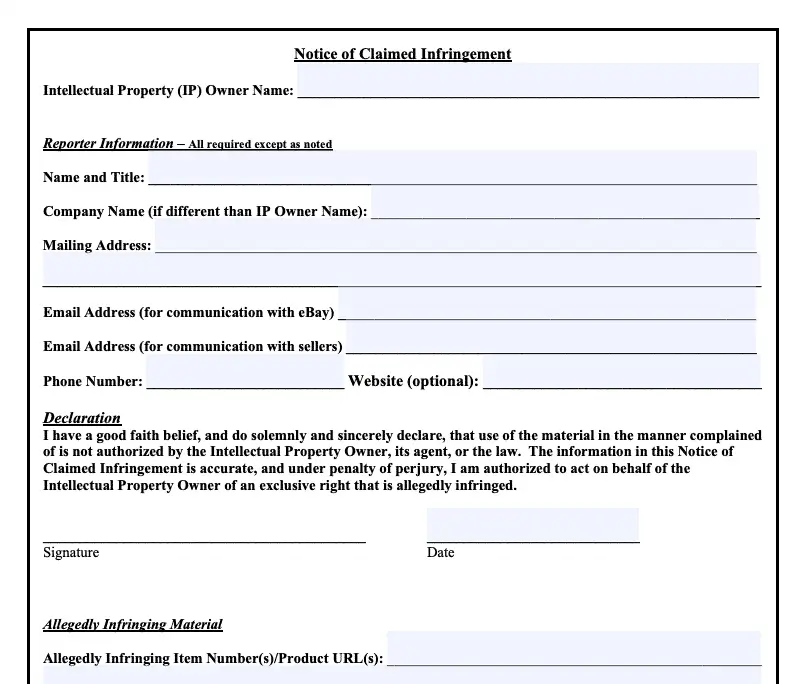
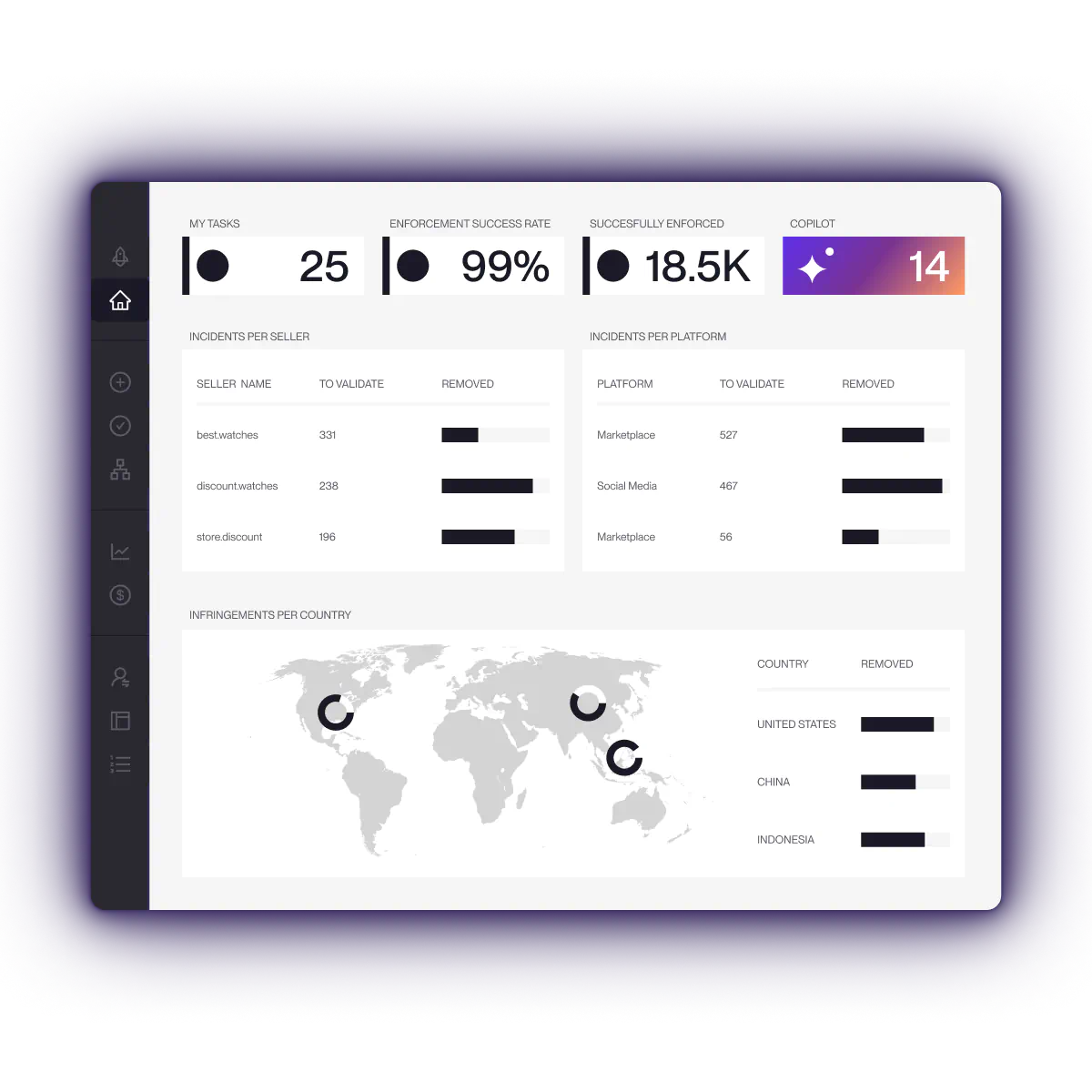
Hello, everyone, and to today’s webinar. We have a great session lined up for you today. Before we get started, there are just a few general housekeeping points to cover. First and foremost, please use the online question tool to post any questions that you have, and we will share them with our speakers. Second, if you experience any technical difficulties today, please use the same question tool, and a member of our admin team will be on hand to support you. And finally, just to note, this session is being recorded, and we’ll be sharing a copy of the recording with you via email in the coming days. So without further ado, I’d like to hand you over to our speakers to get us started. Thank you, Sander, for your time and helping us get started, and thank you all for joining us today. I’m Daniel Shapiro. I’m senior vice president of strategic partnerships here at Red Points. And before joining, Red Points about seven years ago, I had the privilege to help eBay establish the first proactive brand protection working alongside our guest today. And, while I’m not an I IP lawyer, I’ve been immersed in this, space for about fifteen years. And today, we’re super excited to share best practices for effectively enforcing your intellectual property rights on eBay. And then joining me, as I mentioned, is our guest, Julian DuDuy, deputy head of global brand relations and legal government relations, intellectual property at eBay. I think that’s the whole title, Julian. I think I got it. The long line. And, Julian, would you would you mind introducing yourself or correcting the title if I made a mistake? Yeah. Thank you, Daniel. Thank you for having me, and thank you everyone who’s joining, to attend this session. My name is Julian Didouy. I’ve been with eBay for nineteen years. Two days ago, was my anniversary. I, I started with eBay in Dublin, Ireland. I also been in our London office, and I’m now located in Salt Lake City, Utah, where you are, Danielle. So, but today, I’m saying hello from Paris. So, I’m very excited to be with you today, and, I’m hoping this session will be informative for everyone. Thank you, Julian. Yes. It’s we’re certainly in in the global mode today for sure. At the end of, this discussion today, I hope, you’ll all leave with a clear understanding on how to navigate eBay’s reporting tool and enforce on various different types of IP that your brands have. We’ll also cover some common pitfalls that sometimes brands encounter when using the Vero program, and Julian will walk us through on how to avoid those and, take a look at eBay’s latest IP tools at upcoming developments. And in addition, we’ll share insights on how Red Points helps streamline detection enforcement across eBay and other marketplaces for our clients. We’ll conclude with a few key key, takeaways from Julian, and then we’ll, handle the question and answer period. And as Sandra said, please feel free at any time to throw questions in there. We’ll get them at the end, but you can put them in as as parts of the webinar come up, and then we’ll address them. And if you, any questions give you additional questions, we’ll certainly have room to take those at the end. For those of you who may not be familiar with, Red Points, our mission is to create a safer Internet for both brands and consumers. We’re the fastest growing brand protection solution equipped with our proprietary AI for the last decade to help eliminate counterfeits and impersonators, pirates, unauthorized sellers, and this allows our clients to main control maintain control of their brand and, of course, enhance their brand value and protect their revenue. When, today, we currently have the privilege, and it is honestly a privilege to work with over thirteen hundred brands, from around the world in a very huge breadth of industries, which gives us insights and information that we might not have access to, which helps all of our clients. Today, we process a staggering, we’re processing a staggering, ninety million, links a day on behalf of our clients using our aid AI to operate this in three main areas. We utilize today image recognition and computer vision to help us automatically identify infringing listings by analyzing images, text, and logos. We employ a very sophisticated rules based reasoning system along with predictive analytics that help us prioritize crucial infringements and accelerate results for our clients. And then lastly, we’re always leveraging our, machine and deep learning to continually suggest new search terms and automate processes which enhance, detection capabilities. And then perhaps one of the most important features in our space is our partnerships with platforms like, Julian and his his team, but we are also recognized as, an Amazon Web Service qualified software. We’re part of Google’s trusted copyright trademark, removal program. We’re a trusted reporter on CloudFlare and among others. We have AP connections with platforms like Meta, MercadoLibre, and eBay, of course, to help streamline processing and make reporting faster and more effective for for most of our brands. And I think, additionally, you know, Vero, which really set the gold standard, in, platform reporting, is really an invaluable resource to many of the brands we work with and, of course, thousands and thousands of brands that, use it every single day. It really empowers, brands to protect their intellectual property and enables them to remove, report and remove listings, that are infringing on their intellectual property rights in a very swift and effective way. And that’s why we’re thrilled to have Julian with us today because Julian will be here to provide a little deeper insights on how that Vero program works and share best practices. Julian has, as he mentioned, nineteen years experience in doing this and, which is really, fortunate for all of us here today because that’s the kind of experience we need when we think about the challenges we face in the world of, infringements. And and so we look forward to, Julian’s help, today. And then I would just say if there’s there’s anything you’d like to learn about Red Points along the way or if we could help you with your strategy, on eBay or any other, marketplaces, you’ll probably see a pop up appear. Here it is. I think did it pop up? I think it did pop up. Yeah. And you can click it, and we’ll be happy to connect with you later on and, post the webinar to see if we can help you, with with your with your program at Vero or any other program. So I think, Julian, with if that’s okay, I’ll turn it over to you and let you, walk us through some of the things you’re working on. Sure. Thank you, Daniel. I mean, let’s start with just, I guess, a a quick overview of eBay. I’m hoping a lot of you are familiar with the platform. But, we are we we kind of differ in terms of business model with other, platforms in the space. So for eBay, we really provide means for sellers and buyers to meet and transact. We never touch the products usually. We in very rare cases, we do, but, like, otherwise, really the products are going from the seller to the buyer directly. At any time, there’s two point one billion listings, globally on eBay. So it’s a lot of listings to, to analyze, I guess, and to, to review and to be able to find, the counterfeit products, for example, or any infringing items that may be on the platforms. But we have, a lot of, rules that I’m gonna explain in a little bit that, help us with that. We have one hundred and thirty two. So just a little bit of of numbers here, but, like, we operate in one hundred and ninety markets and, so very global, and we facilitate, transactions, between our consumers. As Daniel mentioned, our viewer program is really our one step sorry. There was a noise. One stop shop for bread owners to protect their IP. And I think Daniel mentioned quickly, really, the idea when we develop the program is to make it easy to use, because, ultimately, we do have all the same goal. We don’t want any items or listings infringing on anyone’s IP on the platforms. And as a reminder, I think a lot of people forget, eBay is also a trademark. We are a brand, and we have to protect our brand as well. We do enforce on other platforms where our trademark is being infringed or copyright. So we get it, and we really have the same goal. And so Vero is kind of a one stop for brands, but eBay does a lot as well proactively. But I’m gonna stop focusing right now on Vero and then expand a little bit on what else we do to make sure eBay is, is safe for consumers to trade on. So Vero was built in nineteen ninety eight, so it’s been there since very early since we, like, we created eBay in nineteen ninety five, so very early on. And, really, we it supports IP. We won’t be able to help with other issues that I’m gonna explain a little bit later, but, really, IP is really, the focus of Vero. Again, trying to make the process simple so we can get to those items and remove them as quickly as possible. We have a form called notice of claimed infringement, that can be filled and sent us by emails, but we also provide, tools, to expedite those reports. Our tools, it’s called the Vero reporting tool. It’s really an eBay account that will, see you and recognize you as a brand owner or as their representative. And, you’ll have a Vero box at the bottom of every listings where you can report this item, but you can also check if the seller have other items and report them all at once. Our teams will review those claims, ask questions if needed. Otherwise, we just process and take action, and then we communicate back to you as well as the seller. A few other interesting facts or what I think could be helpful for brand owners, is the ability to create what we call the Vero participant page profile. It’s a mouthful. I’m sorry, but it’s a space for brand owner to explain their IP. And it’s the intent is really to be educational. So when we remove an item, we can provide the link to that page, and the seller can then just learn what they’ve done wrong and hopefully stop doing it. So that’s one thing that, we like as well to provide. And the other thing that can be helpful is the, possibility when possible because we have to work with privacy around the world, to provide personal information about the infringer. So, we do require an item to have been removed on that account, but, after that, you may request personal information. And depending on the regions, etcetera, we’ll, try to do our best to provide it. So you can hopefully, continue your investigation offline and, and stop those bad actors. Let’s move to the next slide. Alright. So this is what I was saying. What’s in scope and what’s not in scope. So, really, everything IP related will be, included, but we won’t be help, much help for in terms of selective distribution issues, map issues, and contractual issues. Obviously, though the contracts between you and other parties where you’re basing not involved, so we cannot really help with that. But everything IP related, will be, we will be helping. The other part I’ve mentioned on the in scope section is the repeat offenders, which is something that I know brand owners, care deeply, and we do too. We are wasting our times by you reporting it again and us taking action against. So we do have measures in place to prevent that to we’re gonna try to educate. A lot of people are very unfamiliar with IPOs. But, at some points, we, do, restrict and suspend, users as we go. Next slide. Oh, okay. So just a few more things. I think that might be, very relevant for the group. We, at zero is really what I’m gonna consider reactive, just because I’m waiting for either the brands or their representative to send a claim. But there’s a lot of, work we do proactively, to protect, the platforms from bad actors, and and especially around counterfeit products, but not only. We actually touch we have a long list of prohibited and restricted items, and so we do create, detection measures to identify those, listings and take action. We also partner, very closely with a lot of the brands out there. It’s everything usually go through me. So in case you’d like to work more closely with, with eBay, please reach out. But we, we obviously cannot be experts in all the brands and products out there. So, really, that partnership with, with the brands and their partners, is key. We learn what to look for and how to find those products, and, we do, remove them by ourselves. Actually, last year, eBay invested, into two companies to help us with that. The first one is called three PM. It’s it’s a company that helps with detection. They have AI, learning and, image detections, technology. So, we are in the process of of the integration phase right now, but it’s really helping us finding those items where, the usual behavior of bad actors is really to circumvent everything we put in place. So, some behavior we’ve noticed. And I think Daniel talked, about it through, what red red points is also doing. Right? Like, that image addictions where people are just stop using words and, putting everything in pictures. So, that helps a lot, finding what we couldn’t find before. So very excited about that. The second company we acquired is called Searchlogo. It’s, an Italian company that actually provide, digital kind of passports for products where any consumers can, scan a QR code on the actual product itself and confirm the authenticity of the products. They are working for, some great amazing brands like Off White or Versace, etcetera, and it helps a lot of the consumers not only to make sure that the item is, authentic, but also they learn a lot about what kind of material has been used to make that product and sustainability information, etcetera. So, we are very excited to, to work with, that company as well, and it helps us a lot. I, aside from, the proactive work we do, I’m sorry. There’s a lot we do in that space space of color base, and that’s why I guess I’m here. But, another, program we, worked on, variability to improve, the experience of our consumers is, our guarantee program, where for certain brands and certain categories, the items will actually be sent to be authenticated before ending with the final consumers. Again, we want to make sure that everyone gets open recalculum and that there’s, no conflicts on the platform. So that’s just another way, to do that. It’s been very successful. We’ve extended to, new brands and new categories and new countries. It’s it’s slow. We want to do things right. We want to be very accurate, obviously. And so, we are developing that program slowly, but surely, we actually just, expanded to Europe, in the UK and Germany. So very excited about that. Good. Yeah. Oh, sorry. People is here. Go ahead. I was gonna ask you if it’s okay just to pop in, but, you know, the overview is great. And I think it’s, extremely important for people to understand the sort of continuous investment, right, in in taking the original program of Vero and adding these spokes or, you know, pieces of other business. I mean, that’s really critical, and sometimes people, you know, aren’t aware. I think most people probably aren’t aware of those additional investments in in, in in the space. So I wanted to maybe, from a sort of fireside chat, take the opportunity to maybe ask you a couple questions, you know, around some of the information that you presented and then see, you know, your thoughts on this. And I and I think, for example, one of the things that comes to mind is we have a particular customer of ours, Purple Mattress for one, who is not just protecting counterfeits or copyrights, but, you know, because their brand is so important and the way in which they perceive their brand, they are taking additional steps now to even think about different ways to protect that brand. And so they have filed for and received a patent on sort of a three d trademark. In other words, the color of purple as it relates to pillows and mattresses. And I’m assuming other brands are are using different techniques as well as traditional trademarks, traditional copyrights, and thinking about other ways in which they could tighten up their trademark portfolio and protect their brand. In that sort of vein, I mean, are there additional steps you think about, that brands or see that brands are doing that might not be as traditional, but very important, you know, like these tread dress or design patents, any things like that that you see brands doing more and more of, in in the last few years? Yeah. So I think, at at we have to become more and more creative, to really make sure, like, the brands are protecting themselves. Right? So they have to be more and more creative to do that. I, I think, it depends a lot on the region. I think there’s a question on the q and a related to patent too. But, we, do, this is an IP, and so we do consider those, those rights. I guess it depends on how it’s filed, etcetera, and which jurisdictions and everything, but definitely something that is being considered too. Yeah. And when you think about, like you know, one of the things I think is sort of documentation. We are we are working for a lot of brands all at one time, but brands on their own might be working with you directly, you know, through the Vero program. And when it comes time to think about, you know, when I make this Vero report, like, what sorts of documents and things do I need? So my question is sort of what kind of evidence does eBay require from brands when filing infringement involving, I don’t know, multiple types of IP? Could be design patent, could be trademark, could be, you know, other rights like we we mentioned. Is there anything that you think of that specifically, brands should think about including when making their submission? So, yeah. No. During our the like, in our submission forms, we actually ask, for the brand or their representative to select only one reason, because we want to we we want to be very efficient in our process. So we we recommend to to choose the most egregious, reason to report. In terms of the In other words, it could be like a copyright and a counterfeit or something. Right? It could be. And then so, we’re gonna ask you to select only one, but, the actions will be very similar. So in terms of of documentations, we would like, during the registrations, of the brand, we’re gonna ask obviously for the information about the different registrations that, the the brands or the participants want, have. We’re gonna put them on file, and then, during the submission, if you can just refer to I don’t know. It’s like, the design registration number, its number, and then we can just say, okay. It’s there and it’s matched, and it’s very easy. It’s similar to, for example, if you try to submit for a copyright issue where someone has used your picture, we might not always require you to send the link of where your picture is. We know that a lot of brands are, have a big turnover in terms of catalog images, and so, we’re trying to be conscious of that. So, usually, we ask the team, like, to check that it’s the same kind of, like, look and feel. If it is, it works. But, yeah, we don’t ask you to send the exact exact, link to that specific product, etcetera. This is time consuming. It’s not helping. So we want to make it easy. But, yeah, we just need to make sure that there’s a registration and that it’s, and that there’s a match. So we do have someone making sure that it does. Yeah. And and, you know, it doesn’t have even for us, it happens sometimes. But sometimes people might make, I don’t know, select something that may delay, the enforcement. Is there a typical thing that sometimes, from your perspective, brands forget to do when doing something or a mistake sometimes small, but but it does cause a delay until you you fix it, so to speak? Is there something like that that would be of good good information to provide today? Yeah. I mean, so, with I’m gonna start with, their representatives. So third party like you, Daniel, like Red Points, those type of companies. One of the mistake we see a lot is really the LOA that doesn’t contain, all the information we require. And, really, the main thing I’m seeing is really we ask for all the information on the contact detail of the person signing. It’s not that we don’t trust you, but there’s a lot of new companies coming up. And, sometimes if we do receive, forged, claims, and so this is just for safety reasons. So in case we have a doubt, we want to be able to contact the person and sign the letter and just confirm that everything is in order. So it’s not to be a pain, but it’s it’s really for safety reason. That’s something I’ve seen a lot with vendors where, those informations are not in there. In terms of brands, it’s really having, all the IP, registrations, so we can have it on file and we can refer to it when we receive the claims. And a lot of times, the information is just missing. So we don’t know what’s the claim against. So, we might ask for clarification on that. We see a lot as well of, choosing the wrong reason code. So we have a list of reasons, and it goes from one point one being conveyed, two point one being brand name issues. And we see a lot of reasons being chosen that don’t seem to match the situation. So, an example I’ve seen a lot is, using, our two point one brand name misuse, when we can actually see the trademark on the product. So it seems just like a fair description of the actual products. And so, therefore, isn’t it a counterfeits if the trademark is on the product? So, that’s something I’ve seen a lot as well as common mistakes from from brand owners and destinations. Yeah. I think I think to your point on that, you know, sometimes the language in internally in a particular brand or even a provider may use terms, you know, that aren’t exactly lined up, let’s say, with eBay terms. It could be an Amazon term or it could be a Meta term or whatever. Right? So sort of aligning those terms are important to kinda make sure that, you know, you get the, you know, action that you’re hopefully looking for. So sometimes it takes a little adjustment internally at brands or in, as you mentioned, in providers to make sure we’re in line with the using the same terms that, you know, the platform, in this case, eBay is using. And and I was thinking about, like, proactive measures, Julian, in terms of, you know, as as counterfeiters are becoming increasingly sophisticated in finding new ways to evade detection on your platform, even detection so that brands have a harder job finding it themselves. We’ve seen firsthand how quickly, you know, new new scenarios pop up, and make it difficult to do this. I guess, today, you know, were you were you trying to use technology to to keep us up on that, you know, using our AI, as you mentioned earlier, to keep us up on that space? Is there things that, you know, internally, I’m sure eBay is doing to keep up with this increasingly sophisticated, you know, process of what counterfeiters might be doing and how are you guys using it. And I was even sort of adding to that question just now as you mentioned, you know, like, the LOAs in place because people are so creative. They even invent, you know, you know, fake LOAs. But I assume that’s, like, one of the reasons why you have to create these rules to do that. But there might be other things that are happening where you’re increasing your sophistication of monitoring as well. No. That’s a great question. I mean, that’s that’s common behavior. Like, if you block someone, they’re gonna try to find a way nonetheless. So, like, in terms of the proactive work and my partnerships with brand owners, Unfortunately, it’s never one discussion and then everything is solved. It’s not a push of a button. Unfortunately, it requires ongoing discussions because as we’re gonna start implementing measures based on the information we’ve exchanged, then that’s what we’re gonna see the sellers, trying to circumvent. I just had a case this morning, where the they are using accents, for example, to bypass. And so, we just caught that, and so we had to refine all the using, Julian? I didn’t hear hear what you said. They Accents. Oh, no. Yeah. Accents or, special characters sometimes, just to circumvent. So we have to be on it every time and refine as we go. And that that also requires, the involvement of the brands because they and and their vendors, just because they are looking and searching every day, so they’re gonna stop seeing those behavior. And so, it’s it it requires an ongoing discussion. So we, have that and then, yeah, trying to leverage, as I said, new technology and and, our new company looking images, that’s one something we’ve noticed. Right? They just stop using the trademark in their as a word in their description and title, but then you would see it on the picture or they would also put phone numbers in there, etcetera, etcetera. And so that technology now is kind of like an additional tool that we needed to obtain to make sure that we can catch those, new behavior. Yeah. That makes good sense. And and I and I think that’s, again, important for people to, sort of put down as part of their strategy as they think about how to how to create this, you know, today’s online brand protection strategy. Right? And I think one of the challenges you mentioned earlier when you were wrapping up your slides about repeat offenders. And as you mentioned, it is a pain point for brands, you know, as a spending their time and effort trying to, you know, sort of recatch or catch the same person. You mentioned, of course, it is a use of your resources to to be doing that. And is there any sort of elaboration on what kinds of things? Some I know you can’t, you know, share, but conceptually, some of the things you guys do to stop those, repeat infringes. Yeah. Yeah. I won’t be able to get into too much details just because it’s proprietary information. And and one of the reasons, like, I don’t want to be transparent is just that, they like, if I tell you a rule today, that might not be the case tomorrow just again because we need to adapt with the behavior we’re observing. So if I say, like, today, the three strike, well, tomorrow, I might change to two and depends. So but in in a nutshell, really, the idea is like, okay. We’re gonna educate you. We’re gonna communicate with you what you’ve done wrong. Now if you repeat again and do just the same thing, we’re gonna start restricting. We can restrict within a specific category if we can see. We have the the thing with eBay is that we have so many different profile of sellers. Right? We it goes from the huge brand that sells direct on the platform. We actually like, I mean, it’s public. We have Dyson, for example, just, kind of brands that are just selling directly. But we also have the authorized distributor, and then we have the mom and pop shops, you know, doing that on the side, etcetera. So, having a a one fit whole might be tricky sometimes. And so, again, trying to educate, we have we probably, we kind of, like, are able to observe the really bad actors, the one that are doing that as a business, where we’re probably gonna be more severe with them and probably get rid of them more quickly. But then, if we can see it’s just a, random seller doing a cellular kind of thing, maybe they just didn’t know it was a kind of thing. So the education piece is key. Same with copyright images. Like, a lot of people just don’t realize it’s not allowed to go on, whatever brand’s website and take that picture. So, education, we believe in it, and, it helps with, I think, probably, like, ninety nine percent of the sellers are probably making a mistakes, and then you have that one percent that you really try to target and to pinpoint to law enforcement. That is the bad actor, that, we want to get rid of. And aside from repeat offenders, so we do suspend people. And, obviously, it’s against our policy to come back and to create new accounts. We have measures in place to prevent that. If they are using any information that are matching, we might be able to block them. But, it’s something we also track. Yeah. I mean, it sounds like the complexity of the of the platform, the complexity of the sellers, the complexity of the laws, the complexity or the ease in which these things happen make for a set of rules that, you know, are in in flow, you know, as you’re working with the particular sellers and bad actors at all at the same time. Yeah. And, when you think about Vero, the the verified rights owners program, and how instrumental it’s been over the years and how it’s evolved, to help brand owners throughout these many years. Do you is there things happening in an Aviro program that are evolving? What can brand owners expect maybe in the future as you think about, you know, challenges in the industry? Yes. Whatever you can show. Yeah. No. We’re actually very excited. I am working with our teams, to create a new Vero tool, a new Vero portal. We’ve I’ve been asking we’ve been asking for it for a long time, so we finally got, the goal. So we are in phase one right now, that we are testing it and started the phase two. So, hopefully, we’ll have a new tool coming next year. The idea is really to provide more information to the reporters, being more transparent in terms of submission, having a a a dashboard, some kind of a dashboard where they can see what it’s submitted, what has been action, what has not been action. I think, hopefully, my whole again, everything is in development right now, but, like, also kind of facilitating the communication between, the brands and the sellers. As you know, when, an item is being removed, we do provide an email address, that the brand has provided to us, to the seller. So the seller can reach out, and, in case it’s a mistake, they can just work it out. The brands will come back to us and let us know if it was, and then we’ll just cancel everything. Or they can educate the seller or the seller can no more. So, that’s it. Like, that that communication, again, I think is very important. And so, one of my hope is to also facilitate that. But, yeah, the the the providing more visibility about the activity, the viewer activity from the brand is is also something that, of feedback we’ve received a lot. So I’m trying to, to find solutions for that. So, stay tuned next year. Fingers crossed. I’ll have something for you. So doing my job. When do you think? And then just next year is good or where? It’s supposed to be sometimes h one. Okay. Good. Is that big enough? Like Alright. We won’t hold you to it, but we’ll look forward to something in h one happening, cool for, the Yeah. You know, it works. Like, usually, it’s always delays, like, to try, but, the team isn’t working out to to develop it. Great. And and then maybe and, a couple more questions to mind. One is sort of in the collaboration piece. You know, in this battle against, you know, fighting counterfeit and the complexity associated with, you know, offline and online, you know, that that world is blurring all the time. And these new challenges that come up, you know, it’s it’s just it’s not just platforms like eBay, but also maybe law enforcement agencies or third party providers like ourselves, the brand themselves, and these this collaboration piece. So I guess my question to you is, how important, you know, do you view the collaboration between law enforcement, the brand, the platform, the third parties, like Red Points. How important is that in the world of sort of fighting this fight? It’s really critical. And, I mean, my side of the world is really brands and, their representative, but, I have a counterpart for being, point of contact with law enforcement. We also have another group being, responsible for, relations with regulatory agencies, for any products, health and safety issues, etcetera. It’s key. As I said earlier, I can’t be, experts in all the brands, all the products. That communication with the brand is very key for me to understand what’s the situation, how to address it, and find solutions. But, it it works the same way with law enforcement. We when when we have good cases, we might, reach out and and, get some, tips and provide cases to them. Or and they also we also provide a tool, called, a law enforcement regulatory. I can’t remember the name for acronym. We love acronyms, by the way. There’s too many. But that tool is really, for law enforcement to log in and request the information they need for their investigation. So we’ll, without any subpoena. So, that’s another, key tool for brand as well to leverage, in case they are going criminal on the criminal route. Sanwa’s regular regulatory agency, everything related to recall items. Again, we need to be plugged in. We need to have that open channel of communications to be efficient and to be able to identify those listings, get them removed ASAP. We don’t want anyone to buy them and and be at risk. And so and and yeah. So it’s it’s really key. There’s no communication there, then it’s just us trying to guess. We know how that works. It’s not very efficient. Yeah. No. For sure. And then, when you think about sort of the future of IP enforcement or maybe some of the challenges, you know, as the landscape changes, and, you know, we people are using, let’s say, AI for bad or whatever, or we’re thinking about sophisticated processes and technologies. We have cross border trade and, you know, parallel imports, or we have, you know, all sorts of different challenges. How how do we stay ahead of it? And I guess my question for you is, you know, what trends and challenges do you foresee in the world of IP enforcement in the next few years? Any something that you see as, you know, something to think about as we move forward? It’s interesting. I think, something I was, thinking about lately, is, really kind of developing even further the collaboration amongst platforms. It’s, it’s there. I mean, I talked with my counterparts. We actually created a group within Inta for online platforms. So we have a space for us to discuss, but I think there’s more to be done there. Because I think what we want to avoid is probably, those bad actors just jumping from a platforms to another just because they got caught. And so then they’re gonna go to someone that may, maybe less measures or is not there yet, etcetera. So, I think, sharing best practices as well amongst platform is is really important, and that that’s something that we are just starting to develop. But, it’s it’s, I think, also key, to improve the efficiency of everyone there. Yeah. And include new platforms too, like, social media. I think one of the trends, we’ve talked a lot, that the audience might be very familiar with is hidden links, for example. For those of you that are not familiar, it’s, really discussions that are happening over social media, to buy conflicts where the buyer will be given specific instructions to go on to an online platform and buy a random just simple T shirt with nothing in it. But then, ultimately, it’s just to facilitate the transaction. So the the platforms can’t identify that it’s about account fates. Only the social media platform does have that information if they can catch it. So I think there’s, yeah, always more to do and more to evolve to as the behaviors are changing too. Yeah. Makes sense. And that is one of those challenges where the the the what what presents itself on a platform as a solid green t shirt turns out to be a luxury handbag, but but you wouldn’t know that because it’s just a green t shirt. Right? You need the other component, which is the social media link to to know what that green t shirt equals. Right? Yeah. So, Julian, can you maybe give a summary, like, off the cuff of, like, three takeaways from today’s discussion if you wanted people to know, and then we’ll grab it these, questions that have come in. But is there one or two or three takeaways you’d wanna summarize to the group, from today’s discussion? Let’s keep it simple. I think, we all have the same goal. And so if you get frustrated with either Vero or even with any platforms, really, I think, like, really try to find a contact. Try to usually, most of the platforms and all the big players are attending, IP events, across the world where you can catch them. Ultimately, we all have the same goal. It’s just how to get to it might differ because we have different different pressures. But, ultimately, we just don’t want those products on the platform. So, if if you are struggling, just reach out. Make sure that you provide for the information that we need to remove. We cannot read minds, and, there’s a lot of brands out there. There’s a lot of registration that even one brand might have hundreds of different registrations. Be patient, but also provide it upfront. It’s gonna help everyone. And, again, feel free to ask questions on how to improve your process as well on your on your side, and we’ll try to do our best to, adapt. But, we have to have scalable program. It’s not like I can have a personalized experience for each and every one. We need to handle a lot of volumes of submissions, and we need to do it efficiently, as I say, to make sure that those we can get to those removal as soon as we can. So, don’t be a silent surfer. Just find a contact. I I I don’t know if my contact details will be shared, but, like, I’m on LinkedIn. Feel free to find me, and, I’ll be happy to have a a a meeting and and discuss your issues. But, yeah, we’re here to help. We have the same goal. So, again, prefer to reach out. And then, Vero, I think the last key I would, point I would have is really Vero is just the tip of the iceberg. Iceberg is what what brands would see and what they would use. But, usually, most of the time, most of the big player, already, like, have a lot of proactive measures in place. And so, sometimes there’s a way for your brands to plug in or, or if, yeah, if there’s any information that would be relevant, I think it’s it’s worth sharing. Perfect. And, I think with that, Julian, let’s we have a few minutes left, so let’s see if we can get to some of the questions that are, accumulated inside the I’ll try to do demo. Yeah. Let’s see if we can get some of the questions that are inside the, platform. If we can’t get to all of them, we can certainly answer them through, email or, get back to the people, personally. So maybe we’ll start with the first question that’s there, which is, for utility, patents. You know, how are claims evaluated? And do you use a third party firm to evaluate these, issues? What’s the cost? Do sellers get a chance to reply? Do you use a court decision or you need a court decision? Yeah. No. Great question. I’m guessing, Kevin, you are based in the US. So, you’re correct. Our processes for US do require a court order alongside with the, with the submission of the notice of claimed infringement. We I heard about, other platforms that have a dedicated process one one platform that has a dedicated process to towards it. We don’t have it. Like, yeah, it’s it’s we do process, utility patents, in other region without the court order, but US, we do require court order. We are kind of a third party in the entire process, and so it shouldn’t be our place to evaluate whether there’s an infringement on the utility patent. And so we’d rather have a neutral party like a court, to tell us if it is or not. So, I hope that answered the question. K. Great. And, we have another question that says, what if a counterfeit product is listed on eBay and, constitutes a health or safety risk for the user by buying this product? Is there any additional measures that you might take in this case when someone reports, this item when the brand, you know, would report this item? So, a a tricky questions. But, just because if it’s a config, if it’s reported, we’re gonna take it down and it’s gonna be removed. I think where health and safety comes into play I mean, we know that a lot of counterfeit products have health and safety issues. If I start, like, blocking for health and safety, then it’s gonna be another level. But what we do is that we work with a lot of regulatory agencies across the world where they are able to tell us which products, have health and safety issues. So I think when the way I see it is really that the the report should be made against confederates. The item will be done very quickly. If there are health and safety issues attached to a specific product category, again, I’ll be happy to hear about it. I’ll, talk with our regulatory team. They’re gonna connect with our regulatory agencies, and and evaluate the risk and see what can be done. But the the report of conflicts will be the most efficient to get the items down. But if it’s a product that you see on an ongoing basis being relisted, we want to know. But, yeah, it’s it’s the health and safety component kind of, like, goes in parallel and not necessarily, sometimes there’s overlap because my regulatory team might do some actions on it, but, also, we tackle it on the concrete side. So it’s kind of a both way. There’s some overlaps that we want to know. Obviously, there’s a lot of things we do, like the pesticides, pharma, over the counter products, etcetera. Obviously, anything that you would ingest, if it’s conveyed, it’s there’s a health and safety issue. So it’s obviously being considered when we take actions, and that’s why we remove the items as as soon as possible. Awesome. And we we have, maybe room for a couple more questions. So, we’ll we’ll see if we can get these two in. But one person asked if I submit, a listing for someone who’s selling a counterfeit items, how do you prove or maybe disprove whether an item is fake since we are just seeing it as a picture as opposed to a physical item? I mean, as the brand owner, or their representative, whatever the situation is, you’re supposed to be the expert. So, we rely on your expertise when you make the report. Accident happens, and, if you made a mistake, you can reach out and and let us know, and we’ll, overturn the the action that was taken. But, otherwise, really deciding whether it’s a fake or not is really on the brand’s shoulder. We do, as I said, a lot of proactive based on information gathered and and the work we do with brands. But it’s it’s really, like, our I think our expertise when we take those actions is not only based on product knowledge, but also on set of behavior. There’s a lot of information that we can access. Like, the feedback is something you can also see, but we also would see any claims that a buyer would make against the seller. And if, one of those claims is for counterfeits, and those are triggers that we would look at, that help us find or, fine tune our judgment against what we need to do with that, etcetera. But in terms, like, as a brand, then it’s kind of your responsibility to know whether it’s a counterfeit or not. And a lot of brand owners and, Daniel, you probably can talk about this, like, are doing test buys, and, and during their their process, right, to ensure that their report is accurate. Yes. I I think to your point, Julian, sometimes when a stock photo is being used, there may be some other criteria that the brand has knowledge of that we may not have knowledge of. But when the item is, pictured through, personals a person’s own picture, there might be some criteria that’s visible now in that listing that while it’s only a picture, there may be some tell tells. Right? And then And and for the copyright issue, I think, like, one of the strategy I’ve seen is just reporting it for copyright and forcing the seller to then use their own picture where you would have a better view of the actual items they are setting and therefore, hopefully, it’d be in a better position to recognize whether it’s fake or not. So it may be like a two step process. First step, report a copyright, get that item down, person relist it now with their own photo. Now you might be able to enforce that listing for a, counterfeit because the picture is, you know, clear as to what’s what’s wrong with that, you know, particular item. Right? K. We have couple of questions. I think the last one I can answer very quickly. Because we’re down to last couple minutes. So why don’t we wrap up this one, Julian? And if you would just read the question, then you could get to the end. Of course. So, if, someone believes that seller is selling stolen products on eBay, what should we do? The first stop, will be to go to the police and, file a police report, and then you can share that police report with us. We, we have a team, in place that supports stolen goods, and, retail crime. And, with the police report, we might be able to, remove the items, as well as providing the information of the seller. Hopefully, you can recover, the products. We do have a help page. I’ll just try to find it and see if I can share it, but, about storing goods and giving guidance. So I’ll send that to you, Daniel. Okay. Perfect. We can and we can always, provide that for, people. I think at this point, Julian and Sandra, as we reach the end, Sandra, any sort of wrap up, information for those who attended or those who, would like to have the recording? Yeah. Sure. So, we will share a copy of, the slides and the recording maybe in the next twenty four hours. So if anyone has any other questions, they can also email us, and we can forward them to yourselves, the speakers. But that’s that’s about it. Alright. Well, thank you, everyone, for joining us. Julian, thank you. My pleasure. And, again, available if anyone has any follow ups. Feel free to, I mean, on LinkedIn, and then we can, discuss specific cases you might have. I’ll try to, be available if you reach out. So but thank you for attending. It’s been a pleasure, and, thank Daniel for organizing everything. Yes. Thank you. And thank you WTR for your help. Appreciate it.